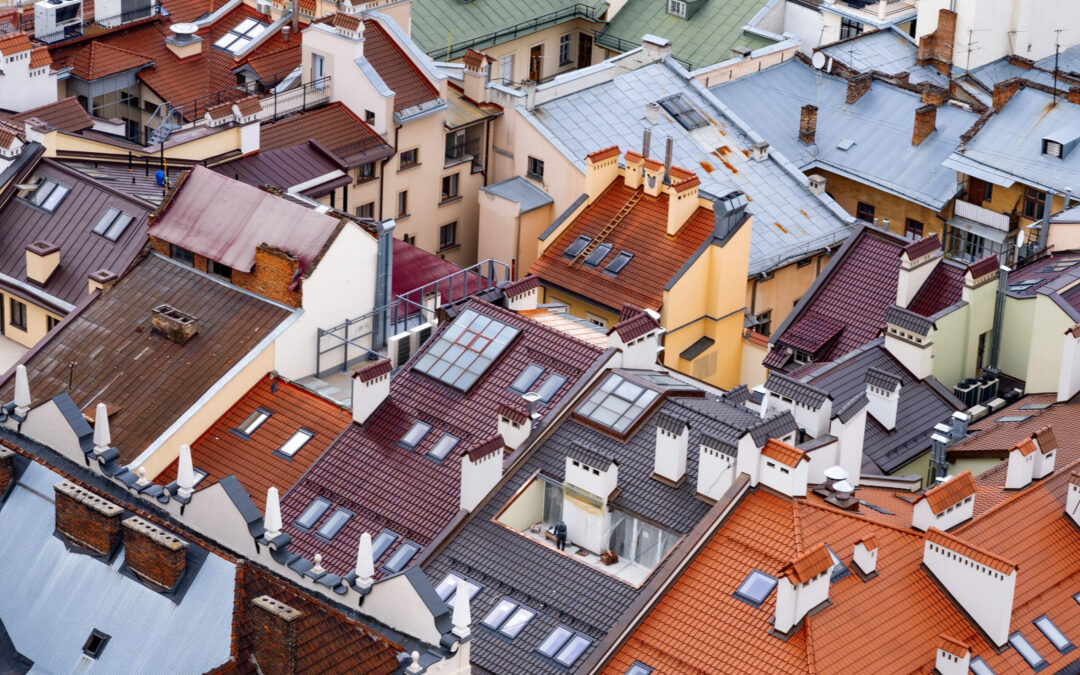
Understanding roof types is essential for homeowners, builders, and anyone planning a new home, renovation, or roof replacement. Roofs aren’t just about shelter they define the architectural character of a house, influence water runoff, affect energy efficiency, and determine long‑term performance. In this complete guide, we’ll explain what the types of roofs are, roof shape categories, residential roof options, construction basics, and how to choose the best roof type for your home.
What Are Roof Types? Definition & Meaning
When we talk about roof types, we refer to the different structural forms and styles of roofs used in residential and building design. A roof type describes how the roof is shaped, how it sheds water, how it connects to walls, and how it supports the building structure.
In simple terms:
Roof type meaning: The classification of roofs by their shapes, styles, or geometry.
Roof description: A summary of how a given roof looks, performs, and is constructed.
Roofs definition: Roofs are protective coverings on top of buildings that shield interior spaces from weather elements.
Roof forms influence both the aesthetic appeal and practical performance of a home. They determine attic space, ventilation, cost, weather resistance, and even energy efficiency.
Residential Roof Types Roofs for Homes
For homeowners, knowing the types of roofs for houses helps when planning construction or renovation. Here are the most common residential roofing types:
1. Gable Roof
The classic pitched roof with two slopes meeting at a central ridge creating a triangular shape on each end. Gable roofs are among the most popular home roof types due to their simplicity and excellent water drainage.
2. Hip Roof
A hip roof has slopes on all four sides that meet at a ridge or a peak. These roofs are more stable in high‑wind areas and offer consistent overhangs for all sides of the house.
3. Mansard Roof
Also called a French roof, a mansard roof has two slopes on each side the lower slope is steeper than the upper one. It creates extra living space under the roof.
4. Flat Roof
Despite the name, flat roofs have a slight slope for drainage. They are common in modern and contemporary homes and are easier to access for maintenance.
5. Shed Roof
A single, sloping plane often used on additions, garages, and minimalist modern homes. Shed roofs are simple and attractive.
6. Gambrel Roof
Typical of barns and farmhouse‑style homes, gambrel roofs have two different slope pitches on each side, providing ample attic space.
7. Combination or Multi‑Roof Systems
Some homes combine different roof types such as gable with hip or shed to achieve unique architectural appeal.
Each roof type for homes has its benefits and design implications. For instance, a gable roof is easier and more affordable to build, while a hip roof offers better wind resistance.
Roof Shapes & Geometry How Roof Shapes Differ
Roof shapes go beyond just names they describe the geometry of the roof structure. These include:
Roof Shape Types
Pitched Roofs: Sloped roofs that shed water quickly and are ideal in cold climates with snow.
Sloped Roof Types: Roofs with angles to facilitate drainage.
Flat Roof Forms: Minimal slopes typically less than 10 degrees.
Peaked & Pointed Roof Shapes: Roofs with noticeable peaks for aesthetic appeal.
Roof geometry types influence how a roof handles water runoff, solar exposure, and wind loads.
Roof Form Examples
Gable Form: Two sloping planes meeting at a ridge.
Hip Form: A continuous slope on all sides.
Shed Form: One single slope.
Curved and Arched Roof Forms: Often used for modern design and energy‑efficient homes.
These shapes help define the overall roofline types and silhouette of a house, contributing to curb appeal and architectural style.
Roof Styles & Architectural Design
Different roof styles and names reflect architectural traditions and preferences:
Architectural Roof Types
Traditional Roof Styles: Classic gable, hip, and mansard.
Modern Roof Styles: Flat, shed, butterfly, and inverted roofs.
Classic or Historic Styles: Tudor roofs with steep pitches and decorative elements.
When choosing roof styles for homes, designers consider both form and function how the roof looks and how it performs in local weather.
Pitched, Sloped & Flat Roof Types
Pitched Roof Types
Pitched roofs are defined by roof slope the angle of the roof surface compared to horizontal. Roof slopes determine how fast water drains and how well the roof deals with snow.
Pitched and sloped roofs are common in climates with high rain and snow because they reduce the risk of water pooling.
Flat Roof Styles
Although called “flat,” these roofs have a very slight slope to drain water. They are popular in modern homes and commercial buildings and often use special waterproof membranes.
Understanding roof slope helps in deciding the roofing materials and maintenance strategies.
Common Roof Types (By Name)
Here are named roof designs you’ll often see:
Hip Roof Styles Sloped on all sides.
Mansard Roof Types Double slopes on each side.
Gambrel Roof Styles Distinguished barn‑like profile.
Dutch Gable Roof Styles Gable on top of hip for added aesthetic.
Arched Roofs Curved surfaces for modern looks.
Shed Roof Types Single slope design.
Each roof style carries a distinct visual appeal and structural nuance that suits specific house designs.
Roof Construction & Structure
Knowing roof structure types helps homeowners understand what’s happening under the surface.
Roof Framing Types
Truss‑Based Roofing: Factory‑built trusses that support roof loads.
Rafter Framing: Traditional framing with individual rafters.
Combination Framing: Mix of truss and rafter systems.
Roof construction affects insulation, attic space, and ventilation, which are critical in maintaining comfort and reducing energy costs.
Roof Materials A Supportive Overview
While this guide focuses on roof types, it’s helpful to know that roofs also vary by materials:
Asphalt Shingles: Most common in residential homes.
Metal Roofing: Durable and long‑lasting.
Clay or Concrete Tiles: Mediterranean look and excellent durability.
Slate: High‑end, natural stone roofing.
Wood Shakes: Traditional rustic appearance.
Different materials pair better with specific roof shapes and slopes.
How to Choose the Right Roof Type
Choosing the best roof type involves:
1. Climate Considerations
Steep slopes (like gable or hip) are better for heavy rain/snow. Flat roofs suit dry climates.
2. Architectural Style
Match roof type to house design modern homes often favor flat or shed roofs, while classic homes might use gable or hip roofs.
3. Material Compatibility
Some materials are better with certain roof shapes. For example, metal roofs work well with both low slope and steep roofs.
4. Budget & Maintenance
Certain roof types are more affordable to build and maintain. Simple gable roofs cost less than complex combination systems.
Ask yourself: What type of roof do I have? and What type suits my home best? based on style, cost, and climate.
Roof Types With Pictures & Visual Examples
Adding roof types pictures and diagrams can help visually identify styles such as:
Gable roof images
Hip roof photos
Shed roof visuals
Flat roof examples
Mansard and gambrel roof pics
Use image galleries with alt text like “roof types with pictures” and “different types of roofs with pictures” to boost image search visibility.
Summary
From basic roof types definition to detailed explanations of residential roof types, roof shapes and geometry, and architectural roof design, this guide covers everything a homeowner needs to know. Whether you’re researching what types of roofs are there or deciding which roof shape suits your house best, understanding these concepts helps you make informed decisions for long‑lasting, beautiful roofing.
If you’re ready to choose the right roofing option for your home or project, the experienced team at GVRD Roofing can help guide you through roof type selection, installation, and maintenance. Contact us today for expert advice and a free roofing estimate:
GVRD Roofing Inc.