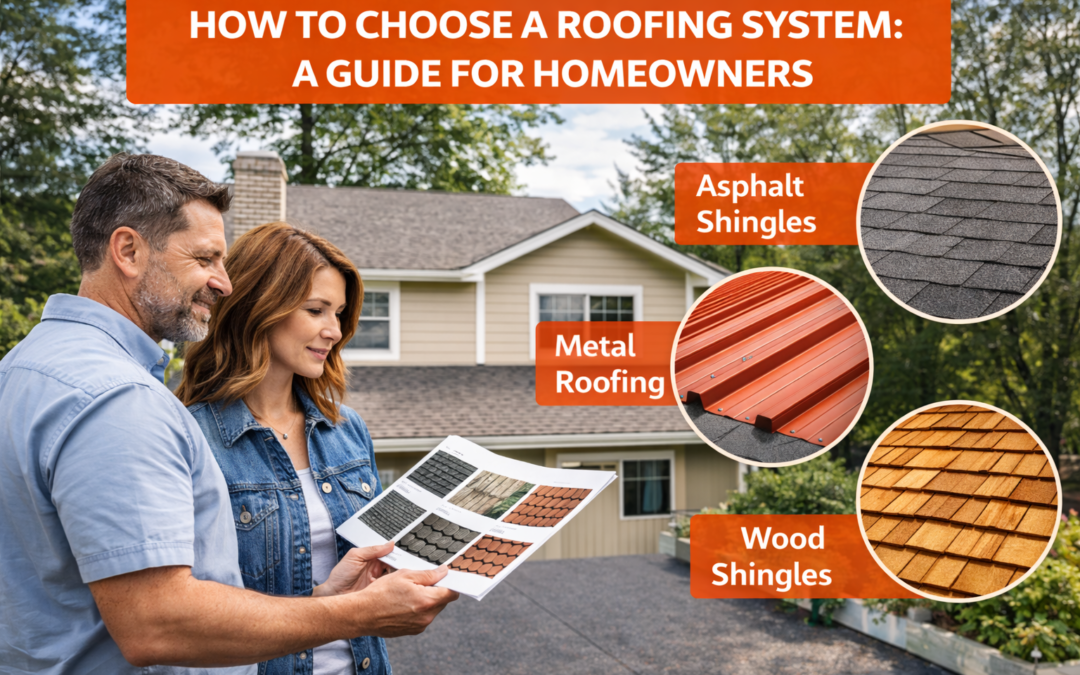
Choosing the right roofing system is one of the most important decisions a homeowner can make. A roof is not just a protective layer over your house; it is a long-term investment that affects structural safety, energy efficiency, comfort, maintenance costs, and property value. With so many materials, styles, and performance options available, the decision can feel overwhelming.
Many homeowners make roofing choices based on appearance or price alone, only to face unexpected repairs, poor performance, or premature replacement. This guide is designed to help homeowners understand roofing systems from a practical perspective so they can make informed, confident decisions that align with their home, climate, and long-term goals.
Why Choosing the Right Roofing System Matters
A roofing system is more than shingles or panels. It is a complete assembly designed to protect your home from weather, regulate temperature, and manage moisture. The right system can last decades, while the wrong one can become a recurring source of stress and expense.
Choosing the right roofing system impacts:
Protection against rain, wind, snow, and heat
Energy efficiency and indoor comfort
Maintenance and repair frequency
Insurance considerations
Resale value of your home
Understanding how roofing systems work is the first step toward choosing wisely.
Understanding What a Roofing System Really Is
A roofing system includes multiple components working together, not just the visible surface material.
Key components include:
Roof decking (structural base)
Underlayment for moisture protection
Ice and water barriers in vulnerable areas
Flashing around penetrations and edges
Ventilation systems
The outer roofing material
When any one of these elements is poorly chosen or installed, the entire system is compromised.
Step 1: Assess Your Home’s Structure and Roof Design
Every home is different, and the structure of your roof plays a major role in determining which roofing systems are suitable.
Roof Slope
Steep-slope roofs shed water quickly and work well with shingles, metal panels, or tiles. Low-slope or flat roofs require specialized membranes designed for waterproofing.
Roof Complexity
Roofs with multiple valleys, dormers, or penetrations require materials that can handle detailed flashing and transitions.
Structural Load Capacity
Some roofing materials, such as slate or tile, are significantly heavier and may require structural reinforcement.
Before choosing a roofing system, it is essential to understand what your home can support.
Step 2: Consider Your Local Climate and Weather Conditions
Climate is one of the most important factors in roofing system selection.
Rain and Moisture
In wet climates, roofs must provide superior waterproofing and drainage to prevent leaks and rot.
Wind Exposure
High-wind areas require roofing systems with strong fastening methods and high wind ratings.
Snow and Ice
Cold climates demand systems that manage snow loads, ice dams, and freeze-thaw cycles.
Sun and Heat
In sunny regions, roofing systems with reflective properties and UV resistance improve energy efficiency and durability.
A roofing system that performs well in one climate may fail prematurely in another.
Step 3: Explore Common Residential Roofing Systems
Understanding the main types of roofing systems helps narrow down your options.
Asphalt Shingle Roofing
Asphalt shingles are the most common residential roofing material due to their affordability and versatility.
Pros
Cost-effective
Wide range of colors and styles
Suitable for most roof designs
Cons
Shorter lifespan than premium materials
More vulnerable to extreme weather
Architectural shingles offer improved durability and appearance compared to traditional three-tab shingles.
Metal Roofing Systems
Metal roofing has grown in popularity due to its durability and modern appeal.
Pros
Long lifespan
Excellent weather resistance
Energy-efficient
Cons
Higher upfront cost
Requires specialized installation
Metal roofs work well for both contemporary and traditional homes.
Tile Roofing Systems
Tile roofs are known for their distinctive appearance and long lifespan.
Pros
Exceptional durability
Fire resistant
Strong aesthetic appeal
Cons
Heavy material
Higher installation cost
Tile roofing is best suited for homes designed to support the additional weight.
Slate Roofing Systems
Slate is a premium roofing option often used on historic or luxury homes.
Pros
Extremely long lifespan
Natural, elegant appearance
Cons
Very expensive
Requires specialized expertise
Slate roofs are investments intended to last generations.
Flat and Low-Slope Roofing Systems
Homes with flat or low-slope roofs require membrane-based systems.
Common options include:
Modified bitumen
Torch-on roofing
Single-ply membranes
These systems prioritize waterproofing over water shedding.
Step 4: Balance Budget With Long-Term Value
Many homeowners focus only on initial cost, but roofing should be evaluated over its full lifespan.
Initial Cost vs Lifetime Cost
A less expensive roof that needs replacement sooner may cost more over time than a premium system with a longer lifespan.
Maintenance Costs
Some roofing systems require more frequent inspections and repairs.
Energy Savings
Energy-efficient roofing materials can lower heating and cooling costs over decades.
The best roofing system is often the one with the lowest total cost of ownership, not the lowest upfront price.
Step 5: Evaluate Aesthetic and Architectural Compatibility
Your roof plays a major role in your home’s appearance.
Consider:
Architectural style of the home
Neighborhood consistency
Color coordination with siding and trim
A roofing system should enhance curb appeal while fitting naturally with the home’s design.
Step 6: Understand Roofing Warranties and Performance Ratings
Not all roofing warranties are equal.
Material Warranties
Cover defects in roofing materials, often for 20 to 50 years depending on the system.
Workmanship Warranties
Cover installation quality and are provided by the contractor.
Performance Ratings
Look for ratings related to:
Wind resistance
Impact resistance
Fire resistance
A roofing system is only as good as both its materials and installation.
Step 7: The Importance of Proper Installation
Even the highest-quality roofing materials will fail if installed incorrectly.
Common installation issues include:
Improper fastening
Poor flashing details
Inadequate ventilation
Skipped underlayment
Homeowners should prioritize contractors who follow strict quality standards and proven processes. This level of professionalism is reflected in Award-Winning Roofing Service Excellence , where attention to detail, compliance, and long-term performance are treated as essential, not optional.
Step 8: Consider Energy Efficiency and Ventilation
A roofing system plays a major role in regulating indoor temperature.
Cool Roofing Options
Reflective materials reduce heat absorption and cooling costs.
Ventilation Systems
Proper ventilation prevents moisture buildup, reduces attic heat, and extends roof lifespan.
A well-designed roofing system improves comfort and energy efficiency year-round.
Step 9: Maintenance Requirements and Lifestyle Fit
Different roofing systems require different levels of maintenance.
Asphalt shingles may require periodic replacement of damaged sections
Metal roofs need occasional inspections
Tile and slate require specialized repair expertise
Homeowners should choose a roofing system that fits their maintenance expectations and lifestyle.
Step 10: Planning for the Future
Roofing decisions should consider long-term plans.
Ask yourself:
How long do you plan to live in the home
Will you add solar panels or rooftop equipment
Do you want minimal future maintenance
Choosing a roofing system aligned with future plans avoids costly changes later.
Common Mistakes Homeowners Should Avoid
Avoid these frequent roofing decision errors:
Choosing based on price alone
Ignoring climate considerations
Hiring inexperienced installers
Skipping ventilation planning
Failing to review warranties
Informed decisions prevent long-term frustration.
How to Compare Roofing Quotes Effectively
When reviewing quotes:
Ensure the same materials and scope are included
Compare warranties, not just pricing
Ask about installation methods and timelines
Verify licensing and insurance
A clear, detailed quote reflects professionalism.
When Roof Replacement Is Better Than Repair
Sometimes replacing the entire roofing system is more practical than repeated repairs.
Signs replacement may be needed:
Widespread material deterioration
Frequent leaks
Structural issues
Roof nearing end of lifespan
A professional assessment helps determine the best option.
The Role of Professional Guidance
Choosing a roofing system should never be a rushed decision. Professional guidance ensures:
Accurate system selection
Proper installation planning
Code compliance
Long-term performance
Experienced roofing professionals help homeowners avoid costly mistakes.
Conclusion: Making the Right Roofing Choice With Confidence
Choosing a roofing system is a significant investment that impacts your home’s safety, efficiency, and value for decades. By understanding roofing systems, evaluating climate and structure, balancing cost with performance, and prioritizing professional installation, homeowners can make confident decisions that deliver lasting benefits.