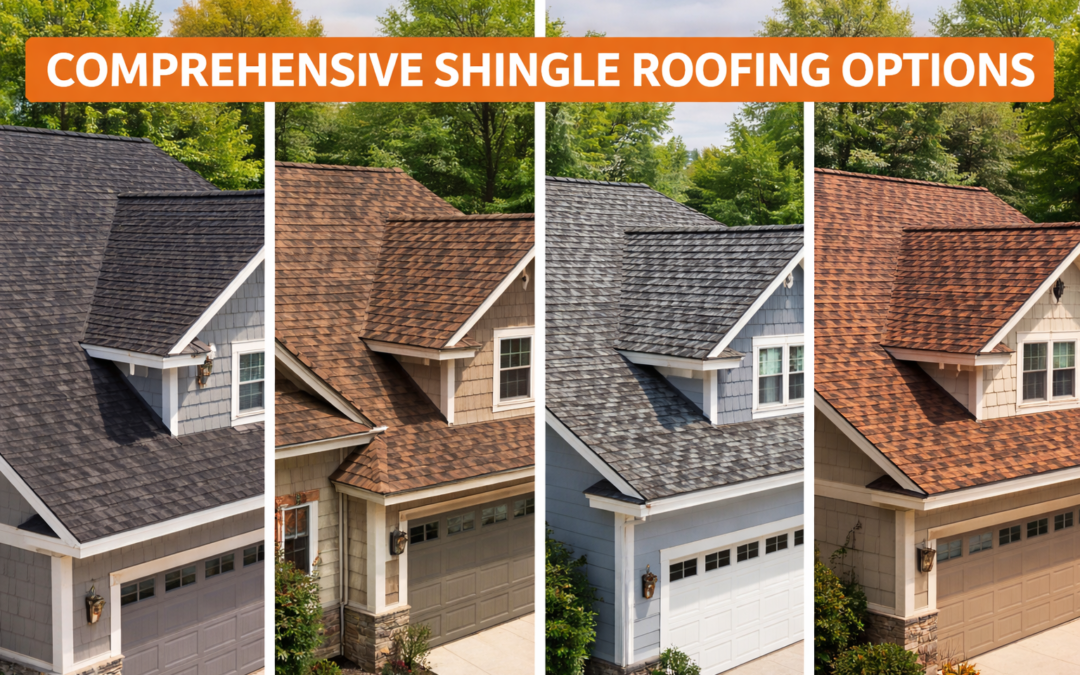
Shingle roofing remains one of the most widely used and trusted roofing solutions across residential and light commercial properties. Its popularity is not accidental. Shingle roofs offer versatility, cost effectiveness, durability, and aesthetic flexibility that few other roofing systems can match. However, not all shingle roofing options are the same. Understanding the full range of available shingle types, materials, performance levels, and installation considerations is essential for making a smart, long-term roofing investment.
This comprehensive guide explores shingle roofing options in depth. From traditional asphalt shingles to advanced architectural systems, we will cover how shingle roofing works, what options exist, how to choose the right system, and why professional installation matters. Whether you are replacing an aging roof, planning a new build, or managing multiple properties, this guide will help you make informed decisions with confidence.
Understanding Shingle Roofing Systems
Shingle roofing consists of individual overlapping elements installed in rows from the bottom edge of the roof upward. This layered design allows shingles to shed water efficiently while protecting the roof deck from wind, rain, snow, and UV exposure.
A complete shingle roofing system includes more than just shingles. It also involves:
Roof decking and structural support
Underlayment for moisture protection
Ice and water barriers in vulnerable areas
Flashing around penetrations and edges
Proper ventilation systems
When installed correctly, these components work together to provide long-lasting performance and weather resistance.
Why Shingle Roofing Continues to Dominate the Market
Shingle roofing remains the top choice for many homeowners and builders for several key reasons:
Affordability
Shingle roofing is generally more affordable than metal, tile, or slate systems. It offers an excellent balance between upfront cost and long-term performance.
Design Versatility
Shingles are available in a wide range of colors, textures, and profiles, making them suitable for nearly every architectural style.
Ease of Installation and Repair
Compared to many roofing systems, shingles are faster to install and easier to repair or replace when damage occurs.
Proven Performance
Modern shingle technology has evolved significantly, offering improved wind resistance, algae protection, and longer warranties.
Primary Types of Shingle Roofing Options
Understanding the different categories of shingles is the foundation of choosing the right roofing system.
1. Three-Tab Asphalt Shingles
Three-tab shingles are the most traditional and economical option in the shingle roofing category.
Key Characteristics
Flat, uniform appearance
Lightweight construction
Affordable pricing
Typically rated for 20 to 25 years
Best Use Cases
Three-tab shingles are often used for:
Budget-conscious projects
Rental properties
Simple roof designs with minimal architectural complexity
While they remain functional and reliable, three-tab shingles offer less visual depth and wind resistance than newer alternatives.
2. Architectural (Dimensional) Shingles
Architectural shingles, also known as dimensional shingles, represent a major upgrade from traditional three-tab options.
Key Characteristics
Multi-layered construction
Enhanced depth and texture
Improved wind resistance
Lifespan of 30 years or more
Advantages
Architectural shingles offer:
A more premium appearance
Better durability against wind and weather
Increased property value
These shingles are now the most popular choice for residential roofing due to their balance of performance and aesthetics.
3. Luxury (Designer) Shingles
Luxury shingles are engineered to replicate the appearance of natural materials such as slate or cedar shake while offering superior durability.
Key Characteristics
Heavier, thicker construction
High-end aesthetic appeal
Advanced impact resistance
Long warranties often exceeding 40 years
Ideal Applications
Luxury shingles are best suited for:
High-end residential properties
Homeowners seeking premium curb appeal
Properties requiring enhanced weather resistance
Though more expensive, luxury shingles deliver long-term value and visual distinction.
Material Composition of Shingle Roofing
Not all shingles are made the same. The material composition directly impacts durability, performance, and lifespan.
Asphalt Fiberglass Shingles
Most modern shingles are fiberglass-based, using a fiberglass mat coated with asphalt and mineral granules.
Benefits
Lightweight and fire resistant
Cost effective
Suitable for a wide range of climates
Fiberglass shingles dominate the market due to their efficiency and reliability.
Organic Asphalt Shingles
Organic shingles use a paper-based mat instead of fiberglass. While less common today, they were once widely used.
Limitations
Heavier and more moisture-absorbent
Shorter lifespan
Less fire resistance
Due to these drawbacks, organic shingles are largely phased out in favor of fiberglass options.
Performance Factors to Consider When Choosing Shingles
Selecting the right shingle roofing option requires evaluating performance factors beyond appearance.
Wind Resistance Ratings
Modern shingles are tested and rated for wind resistance, often ranging from 90 mph to 130 mph or more. Higher wind ratings are essential in areas exposed to storms or strong seasonal winds.
Impact Resistance
Impact-rated shingles are designed to withstand hail and debris. These shingles are classified using standardized impact ratings and are ideal for regions prone to severe weather.
Algae and UV Protection
Many shingles include algae-resistant granules that prevent streaking and discoloration. UV protection also helps maintain color stability and extend roof life.
Energy Efficiency
Certain shingle colors and coatings reflect more sunlight, reducing heat absorption and improving indoor comfort. Energy-efficient shingles can help lower cooling costs.
Climate Considerations for Shingle Roofing
Climate plays a significant role in determining which shingle roofing option is best suited for your property.
Cold and Wet Climates
Require strong moisture barriers
Benefit from ice and water protection
Need proper attic ventilation
Wind-Exposed Regions
Demand high wind-rated shingles
Require enhanced fastening methods
Sun-Intensive Areas
Benefit from UV-resistant and reflective shingles
Require materials with strong granule adhesion
Professional roofers understand how to adapt shingle systems to local climate demands, which is critical for long-term success.
The Importance of Professional Installation
Even the highest-quality shingles can fail prematurely if installed incorrectly. Proper installation ensures:
Correct nail placement
Accurate shingle alignment
Secure flashing integration
Effective ventilation
Professional roofing contractors follow manufacturer specifications precisely, which protects warranty coverage and ensures optimal performance.
For property owners seeking expert installation and trusted service standards, working with established professionals in roofing vancouver ensures that shingle roofing systems are installed with precision, safety, and long-term reliability in mind.
Maintenance and Longevity of Shingle Roofs
Shingle roofing systems are low maintenance but still benefit from regular inspections and upkeep.
Recommended Maintenance Practices
Annual roof inspections
Clearing debris from valleys and gutters
Checking flashing and sealants
Addressing minor damage promptly
Proactive maintenance can significantly extend the lifespan of a shingle roof and prevent costly repairs.
Shingle Roofing and Property Value
A professionally installed shingle roof contributes directly to property value by offering:
Improved curb appeal
Enhanced structural protection
Documented warranties
Lower long-term maintenance costs
For homeowners planning to sell or refinance, a modern shingle roof is a valuable asset.
Sustainability and Modern Shingle Roofing
Today’s roofing industry increasingly emphasizes sustainability. Many shingle manufacturers now offer:
Recyclable shingle materials
Reduced landfill impact
Energy-efficient designs
Longer life cycles
Choosing modern shingle options supports both environmental responsibility and economic efficiency.
Common Mistakes to Avoid When Choosing Shingle Roofing
To ensure success, avoid these common pitfalls:
Choosing based on price alone
Ignoring local climate requirements
Overlooking ventilation needs
Hiring unlicensed or inexperienced installers
Informed decision-making protects both your investment and your property.
How to Select the Right Shingle Roofing Option
When selecting a shingle roofing system, consider the following steps:
Assess your property’s structure and slope
Identify climate-specific needs
Determine aesthetic preferences
Compare performance ratings
Work with a professional roofing contractor
This structured approach ensures the roofing system meets both functional and visual expectations.
The Future of Shingle Roofing
Innovation continues to shape the future of shingle roofing, with advancements such as:
Enhanced impact-resistant materials
Improved granule adhesion technologies
Integrated solar-ready shingle systems
Longer manufacturer warranties
As technology evolves, shingle roofing remains a forward-looking solution for modern properties.
Conclusion: Why Comprehensive Shingle Roofing Options Matter
Shingle roofing is far more than a basic covering for your home. It is a carefully engineered system designed to protect, enhance, and add value to your property. With a wide range of options available from traditional three-tab shingles to advanced architectural and luxury systems property owners can tailor roofing solutions to meet their exact needs.