

When it comes to classic and functional roof design, the gable roof stands out as one of the most widely recognised and enduring styles in residential architecture. If you’ve ever wondered what is a gable roof, what does gabled mean, or what is the gable of a roof, this guide will explain everything from definitions and structure to types and construction details in simple, homeowner‑friendly language.
What Is a Gable Roof Definition and Meaning
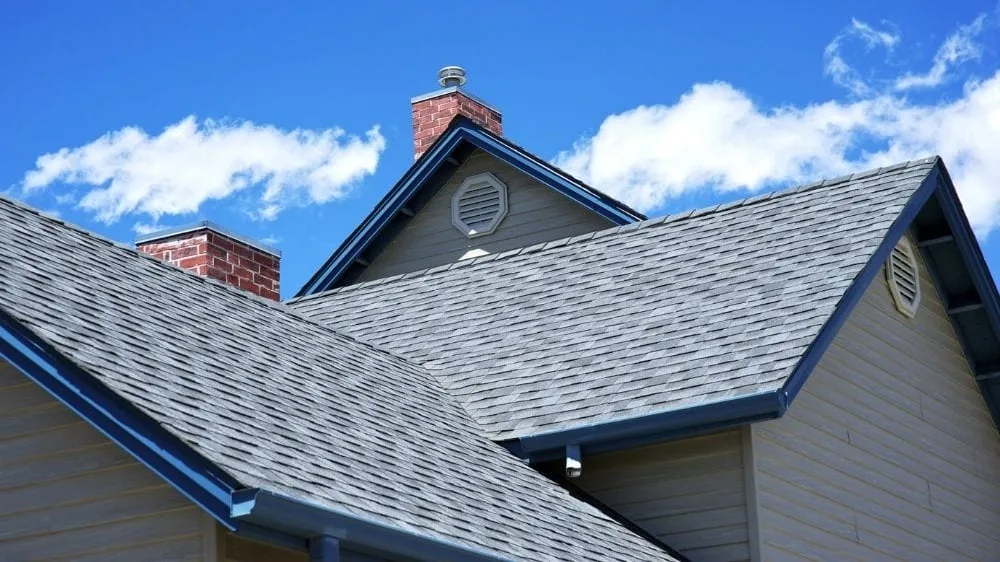
A gable roof is a type of roof design that features two sloping sides meeting at the top ridge to form a triangular shape on each end of the house. This triangular end wall is called the gable essentially the wall section between the edges of the two sloping roof panels. A gable roof is also known as a pitched roof, peaked roof, or gable end roof.
The term gable refers to the triangular section of the wall that sits under the ends of a sloping roof, often visible on the front or back of a house. In plain language, a gable roof gives homes a distinctive peak look that helps shed water and snow quickly while providing attic space or vaulted ceilings inside.
So what is a gable on a house? It’s the triangular part of the wall under the roof’s peak. What is the gable of a roof? It’s that triangle formed where the two sloped roof planes meet. And what is a gabled roof? It’s any roof built in this peaked style with two slopes forming gable end walls.
Gable Roof Structure How It’s Built
Understanding the gable roof structure helps you see why this roofing type is popular in many homes. The basic gable roof frame consists of these components:
Ridge Board: This is the horizontal board at the highest point where the two main roof slopes meet.
Rafters or Trusses: These are the sloped members extending down from the ridge to the exterior walls, creating the roof’s form and supporting roofing material.
Gable End Walls: Triangular walls at each end of the roof run from the eaves up to the ridge.
Gable Eave and Gable Wall: The eave refers to the lower edge of the roof where rainwater drips off, while the wall supports that gable triangle shape.
Slope (Pitch): The angle of the roof slopes determines how steep the gable looks and affects attic space and drainage.
In simple terms, a gable roof frame starts with creating the ridgeline at the peak, and builders attach angled framing members down to the walls on either side, forming that classic triangle. Because of this straightforward design, gable roofs are easier to construct than many other roof types.
Advantages of Gable Roofs
Gable roofs are popular for many good reasons:
1. Effective Water and Snow Drainage
The sloped design naturally channels rainwater, snow, and debris off your roof, reducing leakage and maintenance issues.
2. Increased Attic or Ceiling Space
Homes with a gable roof often have additional attic space or the potential for vaulted ceilings thanks to the higher peak in the center.
3. Cost‑Effective to Build
With fewer complex joints and a simpler frame, gable roofs often cost less in labour and materials than more intricate roof designs.
Types of Gable Roofs and Styles
There are many variations of gable roofs, each offering unique aesthetic and functional benefits. Whether you’re choosing a style for a new home or considering a roof replacement, it helps to know your options:
1. Open Gable Roof
This is the classic gable roof: two symmetrical slopes meeting at the peak with triangular gable walls on either end. It’s the most familiar and traditional style.
2. Box Gable Roof
A box gable roof encloses the gable ends with soffits or fascia, giving a clean, boxed‑in look. This design adds architectural interest while protecting the gable edges from weather.
3. Front Gable Roof
A front gable roof places the gable directly above the front façade of the house, often above the entryway for visual emphasis. Front gable roofs are common in Colonial and modern home designs.
4. Side Gable Roof
With side gable roofs, the gable runs along the sides of the house, and the roof slope faces the front and back. This is one of the simplest and most cost‑effective roof styles.
5. Crossed Gable Roof
A cross gabled roof intersects two or more gable sections at right angles, useful for homes with multiple wings or distinctive architectural shapes.
6. Dutch Gable Roof
The Dutch gable roof combines elements of a gable and hip roof, adding visual appeal and extra attic space. It can enhance airflow and usable interior area.
7. Gambrel and Saltbox Variations
While sometimes classed separately, gambrel roofs (with two slopes on each side) and saltbox roofs (with unequal slopes) fall within the broader gable style family and offer unique architectural character.
Gable Roof vs Other Roof Types
Homeowners also consider how a gable roof stacks up against other common roof types:
Gable vs Flat Roof: A gable roof provides better drainage and more attic space than a flat roof.
Gable vs Hip Roof: A hip roof has slopes on all four sides and offers more stability in high‑wind regions, whereas a gable roof is simpler and more cost‑efficient.
Gable vs Mansard: A mansard roof has multiple slopes and maximized upper‑level space, but can be more complex and expensive to build than simple gable designs.
Common Uses of Gable Roofs in Homes
Gable roofs are versatile and used in various architectural designs:
Residential Homes: From bungalows and cape cod houses to Colonial and modern styles.
Garages and Sheds: The simple gable form works well on smaller structures and outbuildings.
Porches and Gabled Entrances: Smaller gables can add visual appeal over patios or front porches.
This roof style’s simplicity and practical advantages make it ideal for many residential applications.
Construction and Installation Basics
Building a gable roof requires precise framing:
Determine Roof Pitch: The slope impacts drainage and interior space.
Install Ridge Board: This top horizontal member directs the roof shape.
Attach Rafters or Trusses: Frame from ridge to wall plates on each side.
Install Roof Decking and Covering: Sheathing followed by shingles or other roofing material.
Finish Gable Ends: Apply siding, trim, vents, or decorative elements to complete the gable wall.
Professional roofers consider structural loads, climate, wind resistance, and ventilation needs during construction.
Maintenance and Performance
Proper maintenance of a gable roof involves regular checks on:
Shingles or roofing membranes for damage or wear
Flashing and ridge caps to prevent leaks
Gable end vents and attic airflow for moisture control
Because the triangular gable can catch wind, especially on the exposed ends, proper bracing and roofing material selection matter in storm‑prone areas.If you’re considering a new roof or want professional guidance on whether a gable roof is right for your home, contact the experts at GVRD Roofing. Our team delivers experienced, reliable roofing services in Vancouver and surrounding areas. Contact GVRD Roofing Inc Today