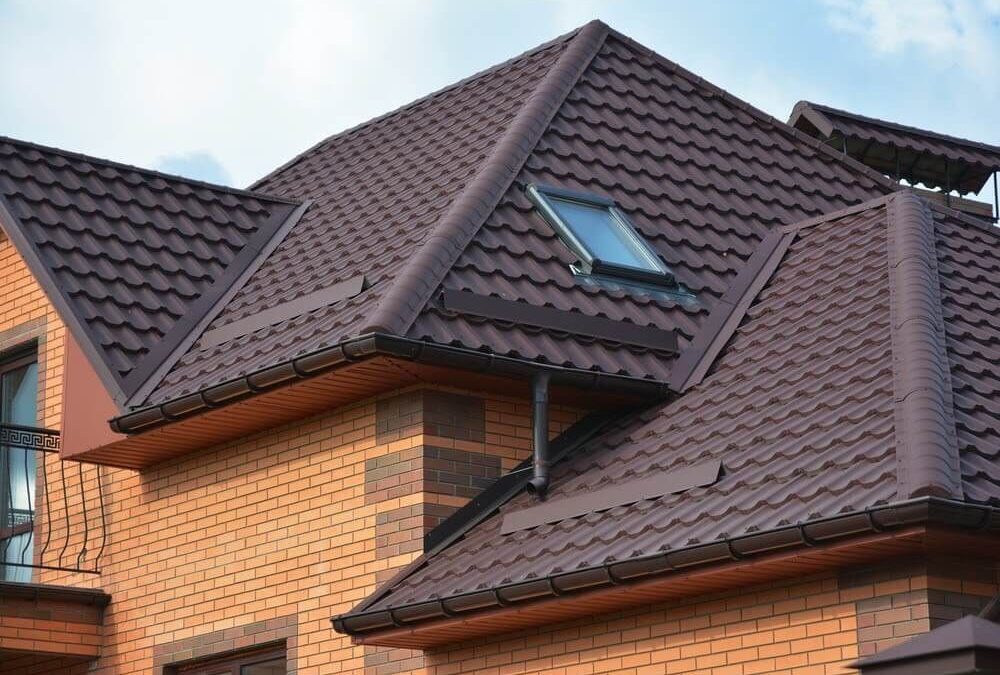
Roof flashing is one of the most critical components of a weatherproof roofing system. Although it’s not the first thing people notice, flashing plays a major role in protecting your home from water damage by sealing off vulnerable areas of the roof.
Whether you’re a homeowner or contractor, understanding how flashing works, and where it should be installed, is essential to keeping your roof dry and damage free.
What Is Roof Flashing
Roof flashing is a thin material, often made of galvanized steel, aluminum, or copper, installed at points where water might penetrate the roof. These include valleys, chimneys, skylights, vents, and where the roof meets walls or dormers.
Its primary job is to redirect water away from joints and seams, where two different surfaces meet or where roofing materials are interrupted. Without flashing, water could seep into these openings, leading to leaks, mould, and structural rot over time. This simple piece of metal could save you thousands in repairs if properly installed and maintained.
Where Flashing Is Used
There are several key areas on your roof where flashing is needed:
- Valleys – Where two sloped sections of roof meet
- Chimneys – Around the base, where masonry meets the roof surface
- Skylights and Vents – To seal the opening and prevent leaks
- Sidewalls and Front Walls – Where vertical walls intersect the roof
- Drip Edges – At the roof edge to direct water into gutters
Each type of flashing is shaped to fit its specific purpose. For example, step flashing is used along walls and dormers, while counter flashing overlaps base flashing around chimneys.
Why Flashing Matters
The roof is constantly exposed to the elements, and water is one of the biggest threats. Flashing is your roof’s first line of defense at weak points. When flashing is installed properly, it channels water away before it has a chance to find gaps or settle into the building envelope.
Failing or missing flashing is one of the top causes of roof leaks. If you’re noticing stains on ceilings or walls, or experiencing interior drips during heavy rain, flashing may be the issue, not just shingles.
In situations like these, fast action is crucial. That’s why we offer emergency roof repair services to quickly identify and fix problems, including damaged or missing flashing, before they escalate into major structural repairs.
Materials and Maintenance
Most flashing is made from corrosion resistant metals like aluminum or galvanized steel. Some high end homes or historical buildings use copper for its longevity and appearance. In areas where salt spray or chemicals are present, specialized materials may be needed to withstand corrosion.
Though metal flashing is durable, it still requires maintenance. Over time, flashing can loosen, corrode, or crack, especially around chimneys or valleys where debris builds up. Caulking or sealant may also degrade and allow water in. Periodic roof inspections are the best way to catch flashing issues early.
Can You Replace Flashing Without Replacing the Roof
Yes, damaged flashing can be repaired or replaced on its own, depending on the condition and type of roofing material. However, during a complete roof replacement, it is often recommended to install new flashing to ensure all parts of the roof system work together efficiently.
Improperly reusing old flashing can create weak points, especially if the roof design or slope has changed. Make sure any repairs or upgrades to flashing follow manufacturer guidelines and local building codes.
How Flashing Is Installed
Proper flashing installation takes skill and attention to detail. The flashing must be layered in such a way that water always flows over the materials below it, not behind them. Shingles are typically installed over the lower edges of flashing to shed water effectively.
If flashing is not correctly overlapped, fastened, or sealed, it can become a leak path instead of a barrier. That’s why even small mistakes during installation can lead to big problems during heavy rain or snowmelt.
You can get a more detailed explanation of flashing installation techniques in this helpful breakdown by IKO Global.
Final Thoughts
Roof flashing is a small detail with a big job. Whether you’re building a new home, replacing a roof, or fixing a leak, flashing should be part of the conversation. It protects the most vulnerable points on your roof from water infiltration and keeps your home dry and safe.
Investing in quality flashing and proper installation today can prevent emergency repairs and costly damage tomorrow. Stay ahead by booking routine inspections and addressing issues as soon as they appear, your roof and home will thank you.