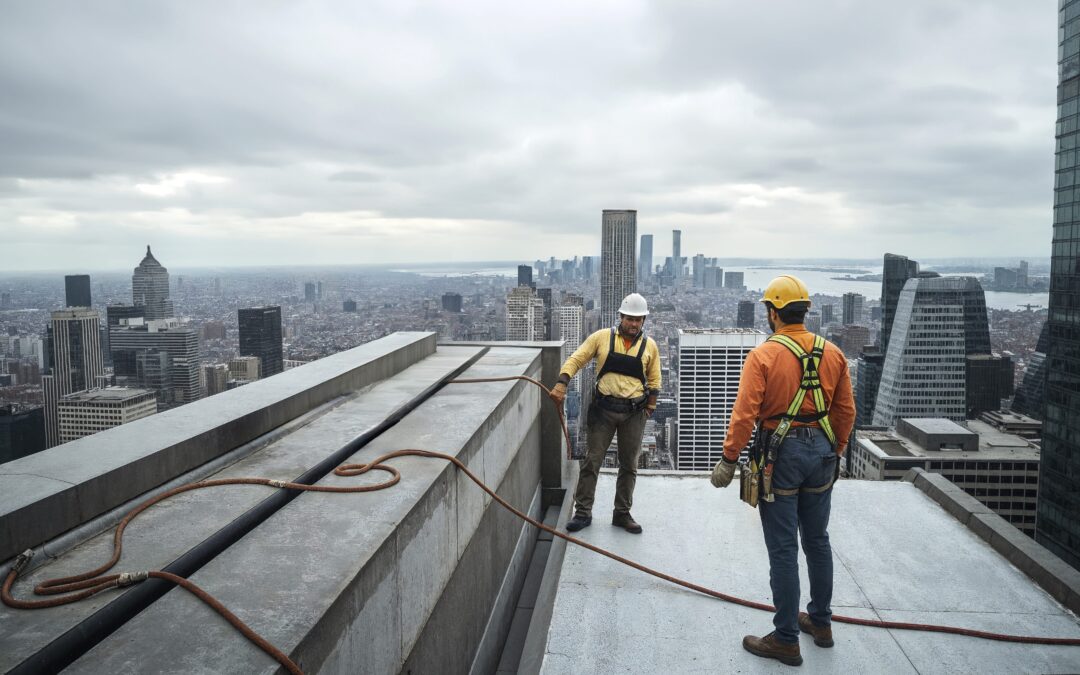
Roofing is one of the most dangerous tasks in construction. Whether you are a seasoned contractor or a homeowner taking on weekend repairs, working at height carries real risk. The best way to protect yourself is by using a roof safety harness, a vital part of any fall protection system.
Knowing how to properly use a harness is critical. In this article, we will walk through how roof safety harnesses work, what they are made of, and how to wear and install them correctly. This guide is designed to help roofers of all levels stay safe and avoid common mistakes.
Why Fall Protection Is a Must
You should use a fall protection harness any time you are working on a roof or at a height where there is a significant risk of falling. In many places, regulations require a personal fall arrest system when working above a certain height without guardrails or safety nets (IKO Global).
Using a harness is often preferred over temporary guardrail systems in residential settings because it is convenient and effective when installed properly.
Falls from rooftops remain one of the most common causes of injury and death in roofing and construction. A simple slip or misstep can lead to a life-changing accident. A properly fitted and anchored safety harness significantly lowers that risk, giving roofers more freedom to work safely.
What Is a Roof Safety Harness System
A full fall protection setup for roofing work includes three essential components:
1. The Anchor Point
This is the secure connection point mounted to the roof’s structure. It must be fastened to a structural framing element like a rafter or truss. Anchors come in different types, including permanent and temporary versions, but all must be rated for fall arrest loads.
2. The Full Body Harness
Worn around the body, this harness features straps for the shoulders, chest, waist, and legs. The back D ring, located between the shoulder blades, is where the lifeline connects. In the event of a fall, the harness spreads the impact across your strongest body areas, helping prevent injury.
3. The Connecting Device
This is typically a shock absorbing lanyard or self retracting lifeline. It connects the harness to the anchor and is designed to reduce the impact force during a fall. The length and type of connector depend on the height of the work and the clearance available below.
All parts must be compatible and certified for fall protection use.
Step-by-Step Guide to Using a Safety Harness
Step 1: Inspect Your Gear
Always inspect your harness, lanyard, and anchor before use. Look for frayed straps, rusted buckles, damaged stitching, or broken components. If anything is worn or missing, do not use it.
Inspect the anchor location as well. It must be attached to solid framing, not just decking or shingles.
Step 2: Wear the Harness Correctly
Put on the harness like a vest. Step into the leg loops, pull the shoulder straps over your shoulders, and fasten all buckles securely. Adjust each strap to fit snugly but not restrict movement.
The chest strap should rest mid chest and the back D ring should sit squarely between your shoulder blades. Loose or misaligned harnesses can cause injury in a fall.
Step 3: Position the Anchor
Install the anchor above where you will be working. Anchors should create a straight connection to the back D ring, helping minimize swing falls. For wide work areas, consider installing multiple anchors and switching between them as needed.
If you are unsure how to install fall protection properly, or if your roof is already damaged and unsafe to walk on, it may be better to call in experts. Our team offers professional roof repair services in Vancouver and can assess the condition of your roof before you step foot on it.
Step 4: Connect the Lanyard
Attach one end of the lanyard or lifeline to your harness’s D ring. Connect the other end securely to the anchor. Use locking snap hooks or carabiners, and make sure all connections are tight and secure.
If you’re using a shock absorbing lanyard, remember to calculate total fall clearance, including the lanyard length, deceleration distance, harness stretch, and a safety buffer.
Step 5: Stay Connected at All Times
You must remain tied off at all times when working on a roof. If you need to move across the roof or switch work areas, clip into the next anchor before unhooking from the first one. Even a few steps untethered can be dangerous.
Step 6: Post-Job Check and Storage
After the job is complete, inspect your harness again before storing. If the harness was used in a fall, retire it immediately. Store gear in a clean, dry place away from sunlight, moisture, or harsh chemicals to preserve its integrity.
Common Mistakes to Avoid
- Loose fitting harnesses
- Improper anchor placement
- Using worn or outdated gear
- Disconnecting during movement
- Miscalculating fall clearance
Final Thoughts
Roof safety harnesses save lives when used correctly. It’s not enough to just wear one — you must know how to inspect, fit, and connect the system properly. Whether you’re tackling a small repair or overseeing a large project, safety should always come first.