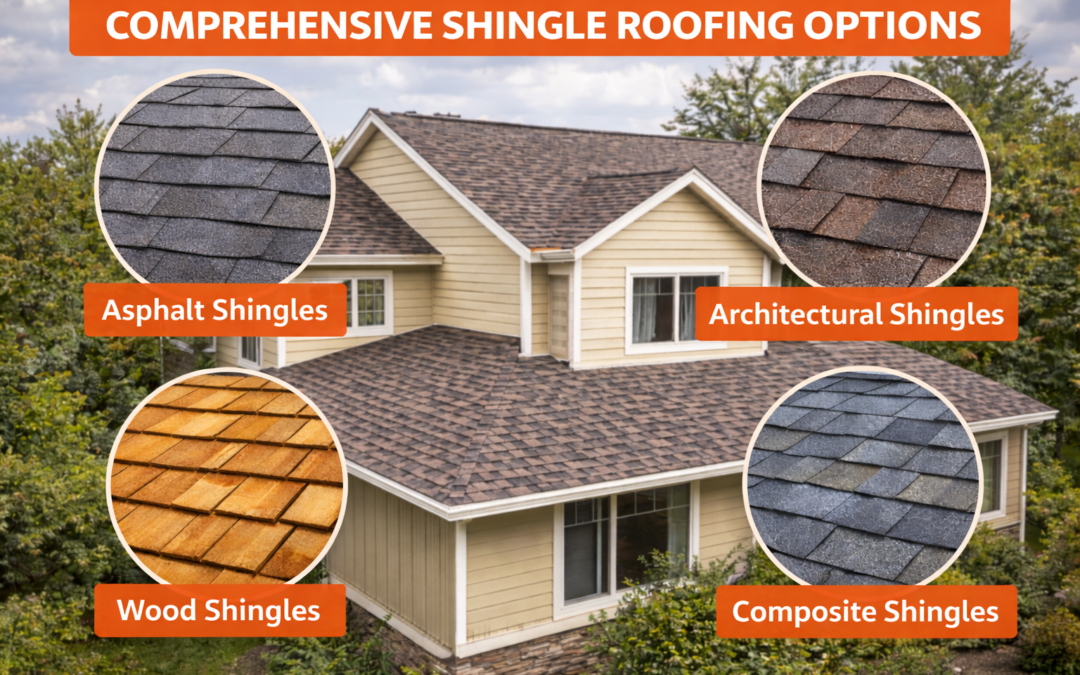
Installing a new roof is one of the most important and expensive home improvement projects a property owner will undertake. A properly installed roof protects your home or building from weather, improves energy efficiency, enhances curb appeal, and increases property value. But achieving a quality installation isn’t accidental it requires careful planning, rigorous quality assurance, and adherence to best practices at every stage of the process.
A roofing installation checklist is a structured set of steps designed to ensure that a roofing project is completed to the highest standards. Whether you are a homeowner overseeing a roof replacement, a property manager coordinating with contractors, or a builder supervising a new construction project, this checklist will guide you through everything you need to know to ensure a durable, long-lasting roofing system.
Why Quality Assurance Matters in Roofing Installation
Roofing isn’t just about nailing shingles to a roof deck. It’s a complete system made up of various layers and components, each of which plays a role in durability, waterproofing, ventilation, safety, and long-term performance. Poor workmanship or skipped steps can lead to leaks, premature failures, energy loss, and costly repairs.
High-quality roofing installation protects:
Your home from water intrusion
Your family from structural hazards
Your investment over time
Insurance coverage validity
Contractors committed to quality every step of the way follow disciplined processes and documented checklists which is a hallmark of Award-Winning Roofing Service Excellence.
Pre-Installation Planning and Preparation
Before a single roofing nail is hammered, proper planning sets the foundation for quality installation.
1. Initial Site Inspection
A qualified roofing contractor should perform a thorough inspection, noting:
Roof dimensions and slope
Deck condition
Flashing needs
Ventilation requirements
Obstructions (such as antennas or satellite dishes)
Safety hazards
This inspection determines the scope of work and materials needed.
2. Review of Local Building Codes
Roofing contractors must understand and adhere to all local building regulations, permit requirements, and structural standards. Failure to do so can result in code violations, rework, or fines.
3. Review Material Specifications
Roofing materials shingles, underlayment, flashings, fasteners must be chosen based on:
Climate and weather exposure
Roof slope
Intended lifespan
Warranty criteria
Check that all materials meet manufacturer specifications.
4. Confirmation of Timeline and Weather Forecast
Roof work should be scheduled when weather conditions are favorable. Rain, snow, and freezing temperatures compromise adhesive bonds and work quality.
Day-Of Installation Safety Checklist
Roofing installation involves heights, tools, and heavy materials. Safety cannot be an afterthought.
5. Jobsite Safety Kickoff
Prior to beginning work, conduct a safety briefing with the roofing crew. Discuss:
Protective gear
Fall protection systems
Ladder placement
Emergency procedures
6. Personal Protective Equipment (PPE)
Ensure all workers have:
Hard hats
Safety harnesses
Work gloves
Safety goggles
Appropriate footwear
7. Work Area Preparation
Secure the perimeter with:
Safety cones
Warning signs
Ground covers to protect landscaping
This protects both crews and occupants.
Roof Deck Preparation
The roof deck provides the foundation for the entire roofing system. If it’s compromised, the rest of the system fails.
8. Remove Old Roofing Materials
Old shingles and underlayment should be completely removed unless specified otherwise. Leaving old layers can hide weak spots and prevent secure fastening.
9. Inspect and Repair Decking
Look for:
Rot or water damage
Splintered boards
Loose nails
Structural sagging
Replace damaged decking before proceeding.
10. Clean Roof Surface
Sweep debris, nails, and material remnants from the deck. A clean surface ensures proper adhesion and installation.
Underlayment and Moisture Barrier Installation
Underlayment provides a critical secondary layer of protection beneath the roofing material.
11. Install Ice & Water Shield
In areas prone to ice dams or heavy rain, install protective membranes along eaves, valleys, and roof perimeters.
12. Apply Underlayment Panels
Underlayment (felt or synthetic) protects the roof deck while shingles are installed and provides long-lasting moisture resistance.
Ensure seams are properly overlapped and fastened.
Starter Shingles and Accessories
Starter shingles help establish a secure edge and bond.
13. Install Starter Strip
Starter shingles go along the roof edge to:
Prevent shingle uplift
Create a secure base
Maintain uniform shingle spacing
Proper installation here prevents edge damage in high winds.
14. Ridge and Hip Ventilation Preparation
Identify and mark ridge lines and hips for vent placement. Proper ventilation reduces attic heat and moisture buildup, extending roof life.
Primary Roofing Material Installation
This is the stage most property owners visualize, but quality here depends on what precedes it.
15. Align and Secure Shingles or Panels
Whether installing asphalt shingles, metal panels, tiles, or other materials:
Ensure they are straight and level
Maintain consistent exposure
Fasten according to manufacturer specs
Incorrect alignment leads to performance issues and aesthetic problems.
16. Proper Nailing Pattern
Fastener placement is critical. Misplaced nails can:
Void warranties
Allow water infiltration
Reduce wind resistance
Follow manufacturer nail patterns exactly.
Flashing and Detailed Weatherproofing
Flashing manages water around transitions and penetrations a common source of leaks if done improperly.
17. Install Flashing at Gutters and Walls
Use corrosion-resistant flashings that:
Fit snugly against surfaces
Create waterproof seals
18. Flashing at Chimneys and Skylights
Pay special attention to:
Chimney flashings
Skylight flashings
Vent pipe boot installation
Poor detailing here often leads to leaks.
Ventilation and Ridge Cap Installation
Good airflow and ridge detailing contribute to energy efficiency and roof longevity.
19. Ridge Vent Installation
Ridge vents release heat and moisture from the attic. Ensure proper spacing and secure fastening.
20. Install Ridge Caps
Ridge cap shingles or panels must overlap correctly and anchor securely. These caps complete the roof’s top seams.
Inspection and Quality Assurance During Installation
Quality assurance isn’t only post-installation it happens throughout the project.
21. Mid-Project Inspections
Supervisors should pause at key milestones to verify:
Deck integrity
Underlayment coverage
Flashing placement
Corrections are easier (and cheaper) at this stage.
22. On-Site Supervision
Experienced supervisors should monitor the crew daily to:
Enforce safety protocols
Verify adherence to specifications
Address site questions and issues
Final Inspection and Cleanup
Once installation is complete, a rigorous final review is essential.
23. Comprehensive Walk-Through
Inspect all aspects of the installation:
Shingle alignment and fasteners
Flashing and seals
Ventilation components
Ridge and hip cap integrity
24. Interior Check
Inspect attic and interior ceilings for:
Signs of daylight penetration
Water staining
Structural issues
Interior checks confirm exterior tasks were done correctly.
25. Jobsite Cleanup and Protection
Proper cleanup includes:
Nail removal using magnetic tools
Debris disposal
Landscaping protection
A tidy jobsite reflects professionalism and respect for the client.
Documentation and Handover
Documentation verifies what was done and protects both property owner and contractor.
26. Provide Written Warranty Information
Your contractor should supply:
Material warranties
Workmanship warranties
Instructions for warranty claims
27. Maintenance Instructions
Roofing systems require minimal but routine maintenance. Clear instructions ensure longevity.
28. Final Report and Photos
Photographic documentation of pre-, mid-, and post-installation conditions is valuable for insurance, resale, and future maintenance.
Post-Installation Follow-Through
Quality assurance doesn’t end when the last nail is driven. Follow-up ensures long-term performance.
29. Schedule Follow-Up Inspections
Within the first year, have a professional inspect:
Shingle condition
Flashing
Drainage
Ventilation
Document findings to establish a baseline.
30. Seasonal Maintenance
Inspect your roof before:
Winter weather
Spring rains
Storm seasons
Proactive care prevents small issues from becoming major repairs.
Special Considerations for Different Roofing Types
Different materials have unique installation requirements:
Asphalt Shingle Roofs
Pay attention to wind resistance
Use manufacturer-approved fasteners
Avoid nail over-exposure
Metal Roofing
Proper panel alignment
Correct fastener torque
Sealant application at joints
Tile and Slate Roofs
Structural load assessment
Custom cut and fit
Specialized fastening
Each system demands specific attention and experience.
Common Installation Errors and How the Checklist Prevents Them
Without a detailed checklist, even experienced contractors may overlook critical steps.
Typical Errors
Incorrect underlayment overlap
Misplaced nails
Flashing installed incorrectly
Ignoring ventilation needs
Poor cleanup
A systematic checklist addresses each point and ensures accountability and consistency.
Why Professional Standards and Process Matter
Quality roofing installation isn’t an accident. It arises from:
Training
Documentation
Supervision
Adherence to specifications
Homeowners who demand quality processes protect their investments and avoid premature failures. This standard of professionalism is at the heart of Award-Winning Roofing Service Excellence, where roofing projects are executed with discipline, precision, and documented performance outcomes.
Conclusion: Your Comprehensive Assurance Strategy
A roofing installation checklist is more than a list it’s a roadmap to quality. Each step, from planning to follow-up, ensures that systems work together as intended, that materials function as specified, and that the final result protects your property for decades.