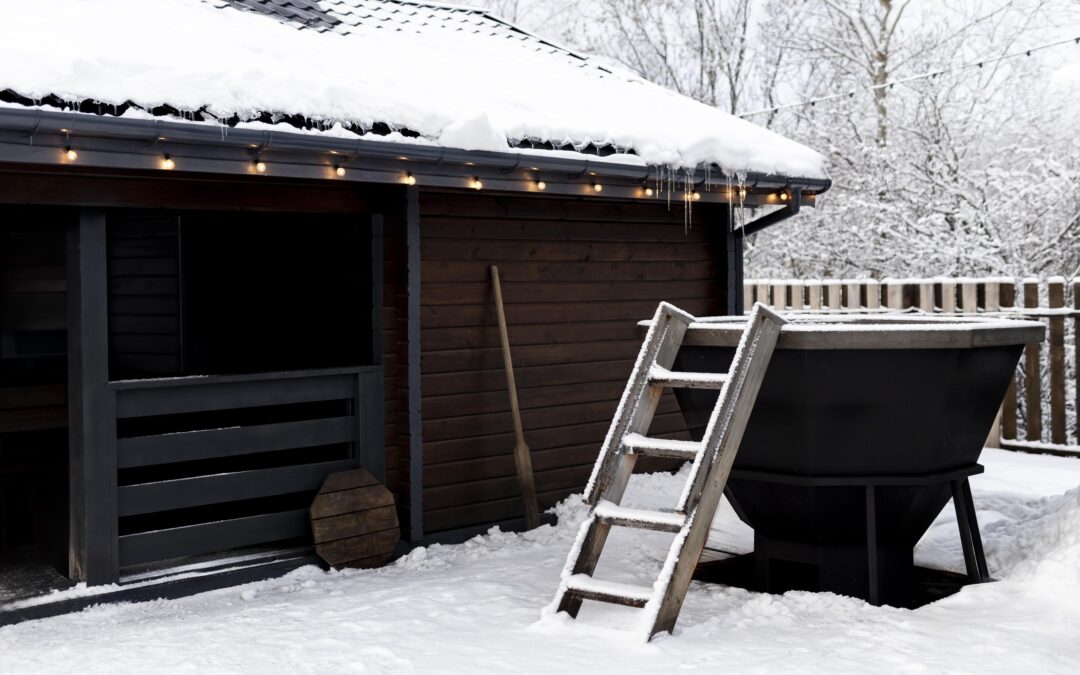
When winter arrives in Vancouver, heavy rain, snow, and cold temperatures can put a lot of pressure on your roof. If your roof is not ready, small problems like clogged gutters or loose shingles can quickly turn into leaks, water damage, and expensive repairs. Preparing your roof before winter ensures your home stays warm, dry, and safe all season long.
Here is a step by step guide to help you get your roof ready for the winter months.
Step 1: Inspect Your Roof for Visible Damage
Start by taking a close look at your roof from the ground or with binoculars. You are looking for missing shingles, cracked tiles, loose flashing, or sagging areas.
Inside your attic, check for water stains, damp insulation, or daylight shining through gaps. These are signs that your roof may already be leaking.
If you notice any issues or are unsure about what you see, it is best to schedule a roofing inspection before the cold weather sets in. A professional inspection can detect weak spots that might not be visible from the ground.
Step 2: Clean Your Gutters and Downspouts
One of the most important steps in winter roof preparation is cleaning your gutters. During fall, leaves, twigs, and debris can build up, blocking the flow of rainwater. When water cannot drain properly, it can freeze and cause ice dams or overflow under your shingles.
To prevent this, make sure gutters and downspouts are completely clear. Flush them with a garden hose to ensure water flows freely. Installing gutter guards can also help reduce future buildup.
Step 3: Trim Overhanging Branches
Tree branches that hang over your roof can create several problems in winter. Snow and ice can weigh down branches until they snap, potentially damaging shingles or gutters.
Trim back any branches that touch or hang directly above your roof. This also keeps leaves and debris from falling into your gutters during the season.
Step 4: Check Roof Flashing and Sealant
Flashing is the metal material around chimneys, skylights, and vents that helps keep water out. Over time, flashing can rust, loosen, or develop gaps. Before winter begins, make sure all flashing is secure and that sealant is not cracked or peeling.
If you find damaged flashing, repair it right away. Even small gaps can let in moisture that freezes and expands, causing further damage.
Step 5: Inspect the Attic Ventilation
Good attic ventilation helps control temperature and moisture inside your home. In winter, it prevents condensation and ice buildup on the underside of your roof.
Check that vents are not blocked by insulation or debris. If your attic feels damp or smells musty, it may not be venting properly. Improving airflow can extend your roof’s lifespan and prevent costly repairs.
Step 6: Look for Moss or Algae Growth
Vancouver’s rainy climate makes roofs prone to moss and algae growth. These can hold moisture against the surface, causing shingles to weaken and rot.
Use a soft brush or specialized cleaning solution to remove moss carefully. Avoid pressure washing, as it can damage roofing materials. If moss returns frequently, consider installing zinc or copper strips near the ridge of your roof to prevent growth naturally.
Step 7: Check Insulation and Prevent Ice Dams
Ice dams form when warm air from your home melts snow on the roof, and the water refreezes near the edges. They can push water under shingles, leading to leaks and rot.
Proper insulation helps keep attic temperatures even, preventing snow from melting too quickly. Check your attic insulation and add more if needed. Make sure it covers the entire ceiling area without blocking vents.
Step 8: Inspect Skylights and Chimneys
Skylights and chimneys are common places for leaks during winter. Check that skylight seals are tight and that flashing around the chimney is secure. Clean out any debris or soot buildup that could restrict airflow.
If you find cracks or gaps, use roofing sealant to close them before the rainy season begins.
Step 9: Schedule Maintenance for Peace of Mind
Even if your roof looks fine, regular maintenance can save you time and money. A professional roofer can identify weak spots, reseal flashings, and make small repairs before winter weather hits hard.
Routine maintenance with GVRD Roofing can extend the lifespan of your roof and ensure your home stays protected all year.
Step 10: Watch for Early Signs of Trouble During Winter
Once winter begins, continue to keep an eye on your roof. After heavy storms, check for loose shingles, ice buildup, or unusual water spots on ceilings. Clearing snow buildup from flat or low slope roofs with a soft rake can also help prevent leaks and sagging.
If you notice leaks or damage, do not wait until spring. Early repairs prevent bigger issues later and help your roof last longer.
Final Thoughts
Preparing your roof for winter is one of the best ways to protect your home and avoid costly emergencies. A few simple steps like cleaning gutters, trimming branches, and checking insulation can make a big difference when the rain and snow start to fall.
If you want to ensure your roof is fully ready for the season, contact us today for a detailed inspection or professional maintenance service before winter arrives.