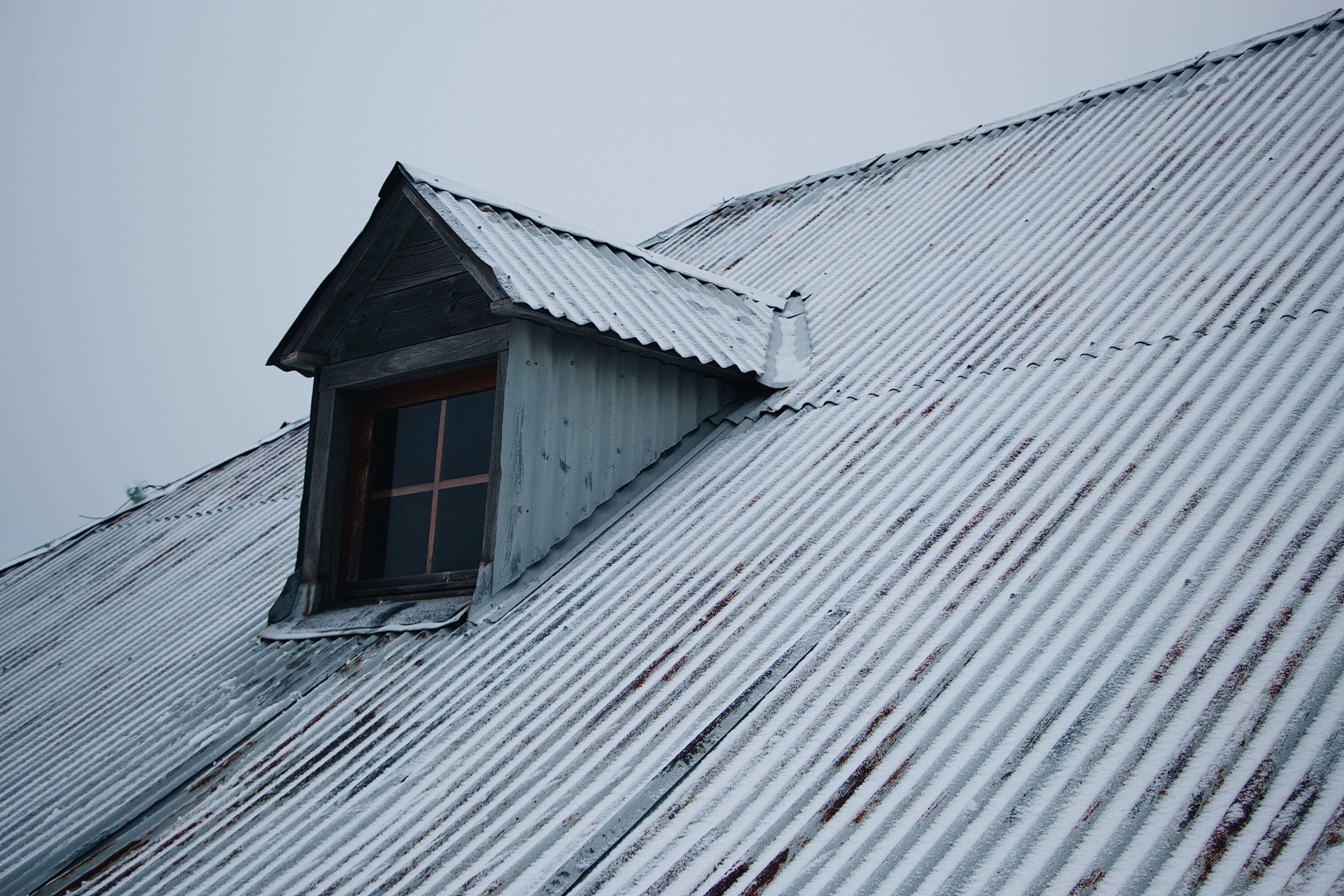
Vancouver’s winters bring plenty of rain, occasional snow, and strong coastal winds. While the weather can be beautiful, it can also be tough on your roof. If your roof is not ready for the season, small problems can quickly turn into expensive damage. A few simple steps before winter arrives can help you stay warm, dry, and stress free all season.
Here is a complete guide to preparing your roof for Vancouver’s winter rain and snow.
Step 1: Inspect Your Roof Before the Weather Changes
Start with a visual inspection from the ground. Look for cracked or missing shingles, rusted flashing, sagging areas, or debris buildup. These early warning signs can tell you if your roof needs attention before the heavy rain begins.
Inside your attic, check for water stains, damp insulation, or light coming through the roof boards. These are often the first signs of a small leak that can grow worse with winter storms.
If you are unsure about your roof’s condition or see signs of trouble, schedule a professional roofing inspection. A qualified team can find hidden issues and make small repairs before the bad weather arrives.
Step 2: Clean Gutters and Downspouts
Clogged gutters are one of the biggest causes of winter roof leaks. When gutters fill with leaves and debris, water backs up and seeps under shingles. During freezing temperatures, this trapped water can expand and cause even more damage.
To avoid this, clean your gutters thoroughly and make sure downspouts drain away from your home. Flush the system with water to check for smooth flow. Consider installing gutter guards to reduce future clogs.
Step 3: Trim Overhanging Branches
Overhanging branches can be a big problem during winter storms. Wind, rain, and snow can cause them to scrape against your roof or even break off, damaging shingles and gutters. Trim back any trees that hang close to the roof.
Regular trimming also prevents leaves and needles from collecting in your gutters throughout the rainy season.
Step 4: Check Flashing and Sealants
Flashing is the thin metal installed around roof edges, chimneys, and skylights to keep water out. Over time, flashing can loosen or corrode, letting rain seep through the gaps.
Inspect flashing around all vulnerable areas and make sure it sits tightly against the surface. If you find small gaps, seal them with roofing cement or silicone. Damaged flashing should be replaced right away to prevent leaks.
Step 5: Look for Moss or Algae Growth
Vancouver’s damp climate makes roofs the perfect place for moss and algae to grow. While they might not seem harmful at first, they trap moisture that can slowly weaken shingles.
Use a soft brush or gentle cleaning solution to remove moss and algae. Never use a pressure washer, as it can strip away protective layers from your roofing materials. For long term prevention, consider adding zinc or copper strips near the ridge line.
Step 6: Inspect the Attic and Improve Ventilation
Proper ventilation in your attic helps control temperature and moisture. Without it, condensation can form inside during cold months, causing wood rot and mold.
Check that all vents are clear and unblocked by insulation. If you notice damp smells or visible condensation, improve airflow by adding vents or increasing insulation. Balanced ventilation also helps prevent ice buildup on your roof.
Step 7: Check Insulation and Prevent Ice Dams
When warm air from your home escapes into the attic, it melts snow on your roof. As the melted water runs to the edges, it refreezes and creates ice dams. These can force water under your shingles, leading to leaks and interior damage.
Proper insulation keeps your roof surface cold and prevents this problem. Make sure your attic insulation is evenly spread and in good condition. You should not see gaps or compressed areas where heat can escape.
Step 8: Examine Skylights and Chimneys
Skylights and chimneys are common leak points during rainy or snowy weather. Check the edges for cracks, loose sealant, or rusted flashing. If you see water stains near them inside your home, reseal or replace the damaged parts.
Regular cleaning of skylight glass and chimney caps also helps prevent debris buildup that can cause drainage problems.
Step 9: Schedule Professional Maintenance
Even if your roof looks fine, a professional maintenance visit before winter can make a big difference. Roofers can reseal flashings, replace missing shingles, and catch small leaks before they cause damage.
Routine roof maintenance also extends the life of your roof and saves you money in the long run. Think of it as a health check for your home.
Step 10: Watch for Warning Signs During the Season
Once winter arrives, keep an eye on your roof. After strong winds or heavy rain, look for shingles on the ground or water stains inside your home. Clear snow gently from flat or low slope roofs with a soft roof rake to prevent buildup.
If you notice a sudden leak or serious damage, act fast. Quick repairs can prevent more expensive issues later.
Extra Tips to Keep Your Roof Strong
- Keep your gutters clear all year, not just before winter
- Avoid walking on wet or icy roofs to prevent accidents
- Check seals around vents and skylights every few months
- Call a professional if you are unsure about any damage
Small preventive steps can go a long way in keeping your roof safe through Vancouver’s wet season.
Final Thoughts
Preparing your roof for winter rain and snow helps you avoid stress, leaks, and costly repairs. Regular inspections, clean gutters, good insulation, and small fixes before the season can make all the difference.
If you want expert help to make sure your roof is ready for winter, contact us today for a complete inspection or maintenance service before the next storm rolls in.