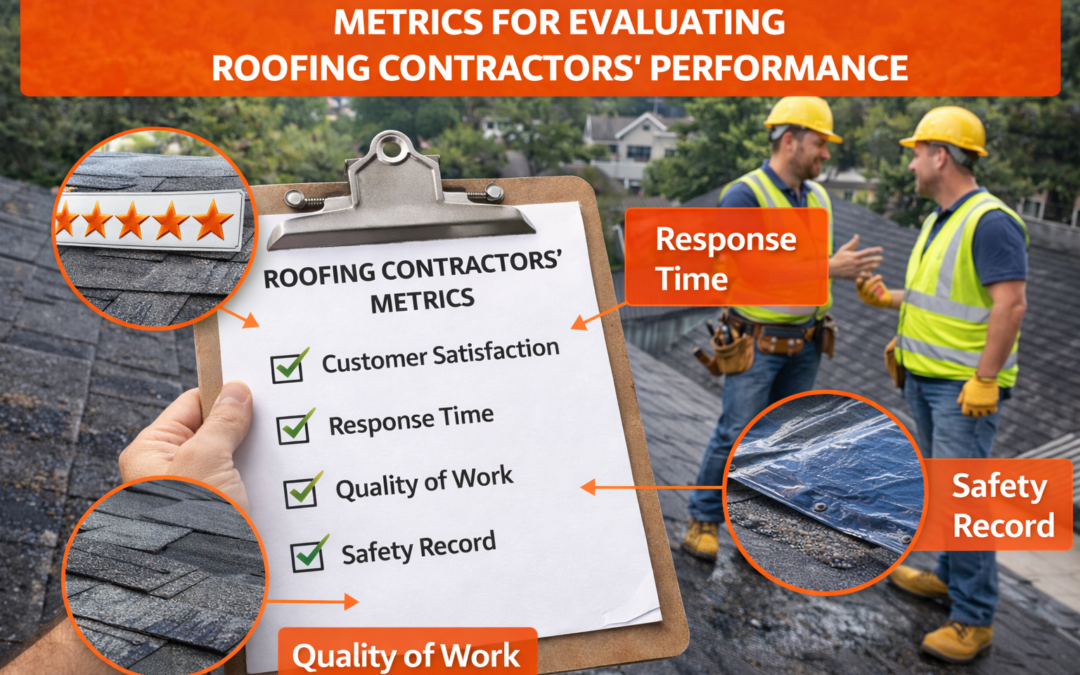
Choosing a roofing contractor is one of the most consequential decisions a property owner can make. Whether for residential replacement, commercial installation, or emergency repairs, the quality of a roofing contractor’s work directly impacts safety, durability, long-term costs, and peace of mind. Yet many people still evaluate roofing contractors based on limited criteria such as price or availability alone.
To make informed decisions, roofing contractors should be evaluated using clear, measurable performance metrics. These metrics go beyond marketing claims and provide objective insight into reliability, workmanship, professionalism, and long-term value. This guide breaks down the most important metrics for evaluating roofing contractors’ performance and explains how each one contributes to successful roofing outcomes.
Why Performance Metrics Matter in Roofing
Roofing is not a commodity service. It is a technical trade that combines structural understanding, material science, safety compliance, and skilled craftsmanship. Without proper evaluation, property owners risk hiring contractors who cut corners, compromise safety, or deliver inconsistent results.
Performance metrics help you:
Compare contractors objectively
Identify red flags early
Reduce long-term repair and maintenance costs
Ensure accountability and transparency
Protect warranties and insurance coverage
Metrics transform contractor selection from guesswork into a structured decision-making process.
Metric 1: Quality of Workmanship
Workmanship quality is the most critical performance metric. Even premium roofing materials will fail if installed incorrectly.
How to Evaluate Workmanship
Review completed project photos and case studies
Ask about installation standards and quality checks
Check if the contractor follows manufacturer specifications
Look for consistent detailing around flashing, edges, and penetrations
High-quality workmanship results in fewer callbacks, longer roof lifespan, and better overall performance.
Metric 2: Compliance With Industry Standards and Codes
Roofing contractors must comply with local building codes, safety regulations, and manufacturer requirements.
Key Indicators
Proper licensing and certifications
Knowledge of local building codes
Use of approved materials and installation methods
Passing inspections without repeated corrections
Non-compliance increases legal risk, insurance issues, and long-term structural problems.
Metric 3: Safety Performance and Record
Roofing is inherently hazardous, making safety performance a critical metric.
What to Look For
Documented safety protocols
Worker training programs
Use of protective equipment
Insurance coverage including workers’ compensation
A strong safety record protects workers, property owners, and project timelines.
Metric 4: Project Timeliness and Schedule Adherence
Reliable contractors deliver projects on time without sacrificing quality.
Evaluation Factors
Accuracy of initial timelines
Ability to manage weather-related delays
Clear communication about scheduling changes
Consistency across multiple projects
Chronic delays often indicate poor planning or overbooking.
Metric 5: Communication and Responsiveness
Clear communication is a performance indicator often overlooked until problems arise.
Signs of Strong Communication
Prompt responses to inquiries
Clear explanations of scope and materials
Regular project updates
Willingness to answer technical questions
Contractors who communicate well reduce misunderstandings and build trust.
Metric 6: Customer Satisfaction and Reviews
Customer feedback provides real-world insight into contractor performance.
How to Evaluate Reviews
Look for patterns rather than isolated comments
Pay attention to comments about professionalism, cleanup, and follow-up
Note how the contractor responds to negative feedback
Consistent positive reviews suggest reliable service delivery.
Metric 7: Warranty Coverage and Accountability
Warranty strength reflects a contractor’s confidence in their work.
Important Warranty Elements
Workmanship warranty length
Clear warranty terms and exclusions
Willingness to address post-installation issues
Contractors who stand behind their work demonstrate long-term accountability.
Metric 8: Experience With Specific Roofing Systems
Not all roofing contractors specialize in the same systems.
Why This Matters
Shingle, metal, flat, and membrane roofs require different expertise
Inexperience increases risk of improper installation
Specialized systems demand specific tools and training
Performance should be evaluated relative to the specific roofing system required.
Metric 9: Material Selection and Handling
Material quality alone is not enough; handling and storage also affect performance.
Key Indicators
Use of reputable manufacturers
Proper on-site storage practices
Knowledge of material compatibility
Avoidance of substitution without approval
Improper material handling can void warranties and shorten roof life.
Metric 10: Inspection and Quality Control Processes
High-performing contractors implement structured quality control.
Quality Control Measures
Pre-installation inspections
Mid-project checks
Final inspections and documentation
A commitment to inspection reduces errors and ensures consistency.
Metric 11: Change Order Management
Changes happen, but how they are handled reflects professionalism.
Strong Performance Indicators
Written change orders
Transparent pricing adjustments
Clear explanation of necessity
Poor change management often leads to disputes and cost overruns.
Metric 12: Cleanup and Site Management
Jobsite cleanliness is a measurable performance factor.
What to Observe
Daily cleanup routines
Protection of landscaping and property
Proper disposal of debris and materials
Attention to site management reflects respect for the client’s property.
Metric 13: Emergency Response Capability
Roofing emergencies require fast, competent response.
Performance Indicators
Availability for urgent repairs
Temporary stabilization expertise
Clear emergency procedures
Contractors prepared for emergencies reduce secondary damage and stress.
Metric 14: Documentation and Transparency
Documentation is essential for accountability and future planning.
Important Documents
Contracts and scopes of work
Inspection reports
Warranty certificates
Maintenance recommendations
Transparent documentation protects both parties.
Metric 15: Long-Term Roof Performance Outcomes
True performance is measured over time, not just at project completion.
Long-Term Indicators
Low incidence of leaks or failures
Minimal warranty claims
Strong client retention and referrals
Contractors delivering consistent long-term results demonstrate genuine excellence.
Metric 16: Training and Workforce Development
Roofing techniques and materials evolve, making training essential.
What to Look For
Ongoing crew training
Manufacturer certification programs
Investment in skill development
A trained workforce delivers higher-quality results.
Metric 17: Ethical Business Practices
Professional ethics influence every aspect of performance.
Ethical Indicators
Honest estimates
No pressure tactics
Clear disclosure of limitations
Respect for contracts
Ethical contractors reduce risk and foster trust.
Metric 18: Adaptability and Problem-Solving
Roofing projects often present unexpected challenges.
High-Performance Traits
Ability to adapt to site conditions
Logical problem-solving approach
Proactive solutions rather than reactive fixes
Adaptability prevents minor issues from escalating.
Metric 19: Insurance and Risk Management
Proper insurance coverage is a non-negotiable metric.
Required Coverage
General liability insurance
Workers’ compensation
Bonding when applicable
Insurance protects property owners from financial exposure.
Metric 20: Industry Recognition and Professional Standards
Recognition by industry bodies often reflects consistent performance.
Contractors aligned with professional standards demonstrate a commitment to quality, accountability, and continuous improvement. These principles are embodied in Award-Winning Roofing Service Excellence, where performance is measured not by claims, but by results, consistency, and long-term outcomes.
How to Use These Metrics When Comparing Contractors
To apply these metrics effectively:
Create a comparison checklist
Score contractors across multiple categories
Prioritize quality and reliability over lowest cost
Ask for documentation and references
This structured approach leads to better decisions and fewer regrets.
Common Mistakes When Evaluating Roofing Contractors
Avoid these frequent errors:
Relying on price alone
Ignoring safety and compliance
Overlooking warranty terms
Skipping reference checks
Metrics prevent these mistakes by adding objectivity.
Residential vs Commercial Contractor Metrics
While many metrics apply to both, commercial projects often require:
Greater emphasis on safety records
Strong project management capability
Experience with large-scale systems
Choose metrics appropriate to the project scope.
Why Metrics Protect Long-Term Investment Value
A roof is a long-term asset. Evaluating contractors through measurable performance metrics ensures:
Better installation quality
Longer roof lifespan
Reduced maintenance costs
Stronger warranty protection
Metrics transform roofing from a reactive expense into a managed investment.
Conclusion: Measuring What Matters in Roofing Performance
Evaluating roofing contractors should never rely on instinct alone. Clear performance metrics provide the insight needed to choose professionals who deliver consistent quality, safety, and value. By assessing workmanship, communication, safety, accountability, and long-term outcomes, property owners can confidently select contractors who protect their investment for years to come.