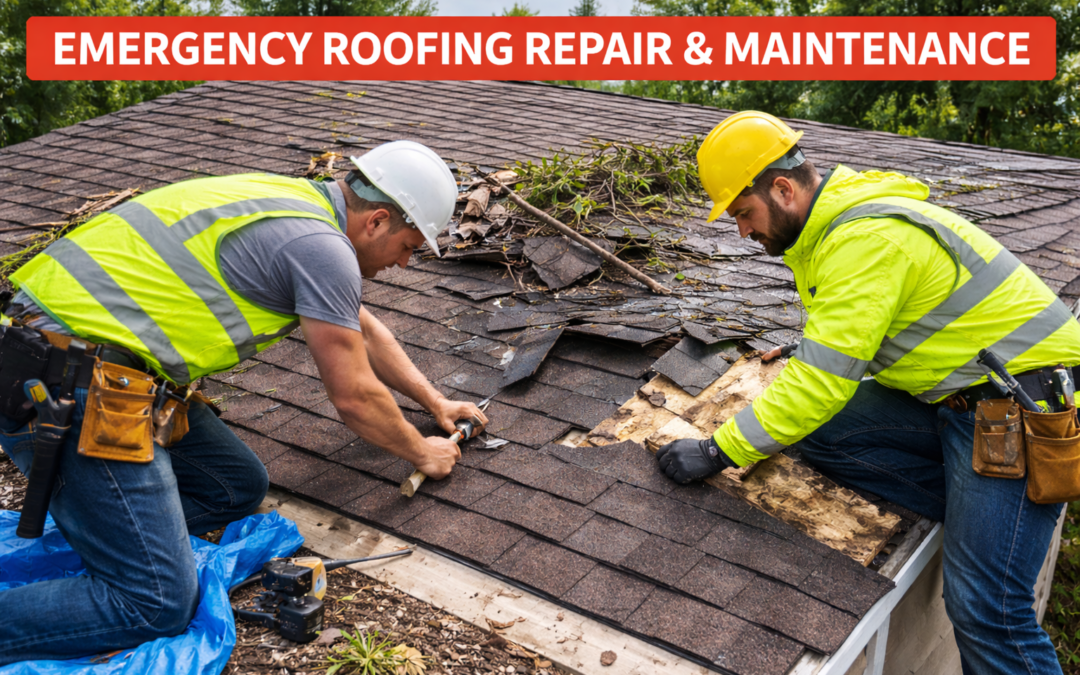
Roofing emergencies rarely happen at convenient times. A sudden storm, fallen tree, heavy snowfall, or unexpected structural failure can compromise a roof within minutes, putting the entire property at risk. When this happens, emergency roofing repair and maintenance become critical. Acting quickly and correctly can prevent extensive damage, reduce repair costs, and protect both occupants and assets.
This guide provides a comprehensive overview of emergency roofing repair and maintenance. It explains what qualifies as a roofing emergency, common causes of sudden roof damage, immediate steps property owners should take, repair options, preventive maintenance strategies, and why professional expertise is essential during high-risk situations.
What Is Considered an Emergency Roofing Situation
An emergency roofing situation occurs when roof damage poses an immediate threat to the building’s structure, interior, or occupants. These issues require urgent attention rather than routine scheduling.
Common emergency roofing scenarios include:
Active leaks causing interior water damage
Missing or blown-off shingles exposing the roof deck
Storm or wind damage compromising roof integrity
Fallen trees or debris puncturing the roof
Structural sagging or partial roof collapse
Severe ice dam formation causing water backup
Fire or impact damage affecting roofing materials
In such cases, delaying repairs can significantly increase restoration costs and lead to secondary issues such as mold growth, insulation failure, and electrical hazards.
Why Emergency Roofing Repair Is Time-Sensitive
Roofing systems are designed to function as a complete protective barrier. Once that barrier is breached, water, air, and debris can enter freely. Even a small opening can escalate into widespread damage within hours.
Key reasons emergency roofing repair is time-sensitive include:
Water intrusion spreads rapidly through insulation and drywall
Moisture weakens structural components like rafters and decking
Mold can begin developing within 24 to 48 hours
Electrical systems may be exposed to water
Interior finishes, furniture, and equipment may be damaged
Immediate response reduces both structural risk and overall repair scope.
Common Causes of Emergency Roof Damage
Understanding the causes of emergency roof damage helps property owners respond effectively and plan better maintenance strategies.
Severe Weather Events
Weather is the leading cause of roofing emergencies.
High Winds
Strong winds can lift shingles, tear flashing, and dislodge roofing materials. Once the wind barrier is broken, additional sections can fail rapidly.
Heavy Rainfall
Prolonged or intense rain can exploit weak points in flashing, valleys, and seams, leading to active leaks.
Hailstorms
Hail can crack shingles, dislodge granules, and weaken protective layers, often causing damage that worsens over time.
Snow and Ice
Excessive snow load stresses roof structures, while ice dams prevent proper drainage, forcing water under shingles.
Falling Debris and Tree Damage
Storms often cause branches or entire trees to fall onto roofs. This type of impact damage can puncture roofing materials and compromise structural elements instantly.
Aging and Poorly Maintained Roofs
Older roofs or those lacking routine maintenance are far more vulnerable during extreme conditions. Minor wear issues can turn into major failures under stress.
Improper Installation or Repairs
Poor workmanship, incorrect fastening, or substandard materials can lead to premature failure, especially during adverse weather.
Immediate Steps to Take During a Roofing Emergency
When a roofing emergency occurs, quick and informed action can limit damage.
1. Ensure Personal Safety First
Before addressing the roof itself:
Keep occupants away from affected areas
Avoid standing water near electrical outlets
Do not climb onto the roof during storms or high winds
Safety should always be the top priority.
2. Minimize Interior Damage
While waiting for professional assistance:
Place buckets or containers under leaks
Move furniture and valuables away from affected areas
Use tarps or plastic sheeting indoors if necessary
These steps help reduce interior damage but do not replace proper repairs.
3. Perform a Visual Assessment
From a safe vantage point, identify visible damage such as missing shingles, sagging sections, or debris impact. Avoid walking on the roof unless conditions are safe and you are trained to do so.
4. Contact a Professional Roofing Contractor Immediately
Emergency roofing requires specialized tools, materials, and expertise. Experienced professionals can provide temporary stabilization followed by permanent repairs.
For property owners seeking reliable emergency response and expert service standards, working with established professionals in roofing vancouver ensures damage is handled quickly, safely, and correctly.
Emergency Roofing Repair Solutions
Emergency roofing repair typically occurs in two phases: temporary stabilization and permanent restoration.
Temporary Emergency Repairs
Temporary solutions are designed to prevent further damage until permanent repairs can be completed.
Common temporary measures include:
Tarping exposed roof areas
Securing loose shingles or panels
Installing temporary flashing or sealants
Removing debris causing structural stress
These measures are critical in preventing water intrusion but should never be considered a final solution.
Permanent Roofing Repairs
Permanent repairs address the root cause of the damage and restore full system performance.
Depending on the situation, this may involve:
Replacing damaged shingles or roofing sections
Repairing or replacing flashing
Reinforcing or replacing roof decking
Correcting ventilation or drainage issues
Structural reinforcement when necessary
Professional repair ensures the roof meets safety standards and manufacturer specifications.
Emergency Roof Repair vs Roof Replacement
Not all emergencies require full roof replacement. A qualified roofing professional evaluates several factors to determine the best course of action:
Extent of damage
Age of the roof
Overall structural condition
Cost effectiveness of repair versus replacement
In some cases, repeated emergency repairs on an aging roof may indicate that replacement is the more economical long-term solution.
The Role of Preventive Maintenance in Avoiding Emergencies
While not all roofing emergencies can be prevented, regular maintenance significantly reduces risk.
Routine Roof Inspections
Annual and seasonal inspections help identify:
Loose or damaged shingles
Flashing deterioration
Drainage blockages
Early signs of water intrusion
Catching issues early prevents sudden failure during extreme weather.
Gutter and Drainage Maintenance
Clogged gutters contribute to water backup and ice dam formation. Keeping gutters clear allows proper water flow away from the roof.
Prompt Minor Repairs
Small issues, such as cracked shingles or deteriorated sealants, can escalate quickly if ignored. Addressing minor problems promptly reduces emergency risk.
Ventilation and Insulation Checks
Proper attic ventilation regulates temperature and moisture, reducing ice dams and condensation-related damage.
Emergency Roofing Maintenance for Commercial Properties
Commercial buildings face unique challenges during roofing emergencies due to flat or low-slope roof designs.
Common commercial emergency issues include:
Ponding water
Membrane punctures
HVAC unit flashing failure
Structural load stress
Emergency maintenance for commercial roofs often involves specialized materials and access equipment, making professional involvement essential.
Insurance Considerations During Roofing Emergencies
Roof damage caused by storms or accidents is often covered by insurance, but proper documentation is crucial.
Recommended steps include:
Photographing damage before temporary repairs
Keeping records of emergency services performed
Reviewing policy coverage and exclusions
Coordinating with insurance adjusters
Professional roofing contractors often assist with documentation to support insurance claims.
Why Professional Expertise Matters in Emergency Roofing
Emergency roofing situations are complex and high-risk. Professional contractors offer critical advantages:
Trained crews with safety equipment
Knowledge of building codes and regulations
Access to proper materials and tools
Accurate damage assessment
Long-term repair solutions
Attempting emergency repairs without expertise can result in further damage, personal injury, or voided warranties.
Long-Term Benefits of Proper Emergency Roofing Repair
When handled correctly, emergency roofing repair provides benefits beyond immediate protection:
Preserves structural integrity
Extends overall roof lifespan
Reduces future maintenance costs
Protects interior assets
Maintains property value
Quality emergency repairs often restore roofing systems to equal or better condition than before the incident.
Preparing for Future Roofing Emergencies
Preparation reduces panic and downtime when emergencies occur.
Proactive steps include:
Keeping contact information for a trusted roofing contractor
Scheduling regular roof inspections
Maintaining emergency tarps and interior protection materials
Reviewing insurance coverage annually
Prepared property owners respond faster and recover more efficiently.
Common Mistakes to Avoid During Roofing Emergencies
Avoid these common errors:
Delaying professional help
Attempting unsafe DIY repairs
Ignoring temporary damage signs
Failing to document damage
Choosing contractors based on price alone
In emergency situations, experience and reliability matter more than speed alone.
The Future of Emergency Roofing Services
Advancements in roofing technology are improving emergency response capabilities, including:
Drone-based damage assessments
Advanced moisture detection tools
Improved weather-resistant materials
Faster curing sealants and membranes
These innovations help reduce downtime and improve repair accuracy.
Conclusion: The Importance of Emergency Roofing Repair and Maintenance
Emergency roofing repair and maintenance are essential services that protect properties during their most vulnerable moments. Whether caused by severe weather, impact damage, or structural failure, roofing emergencies demand swift, professional action to prevent escalating damage.