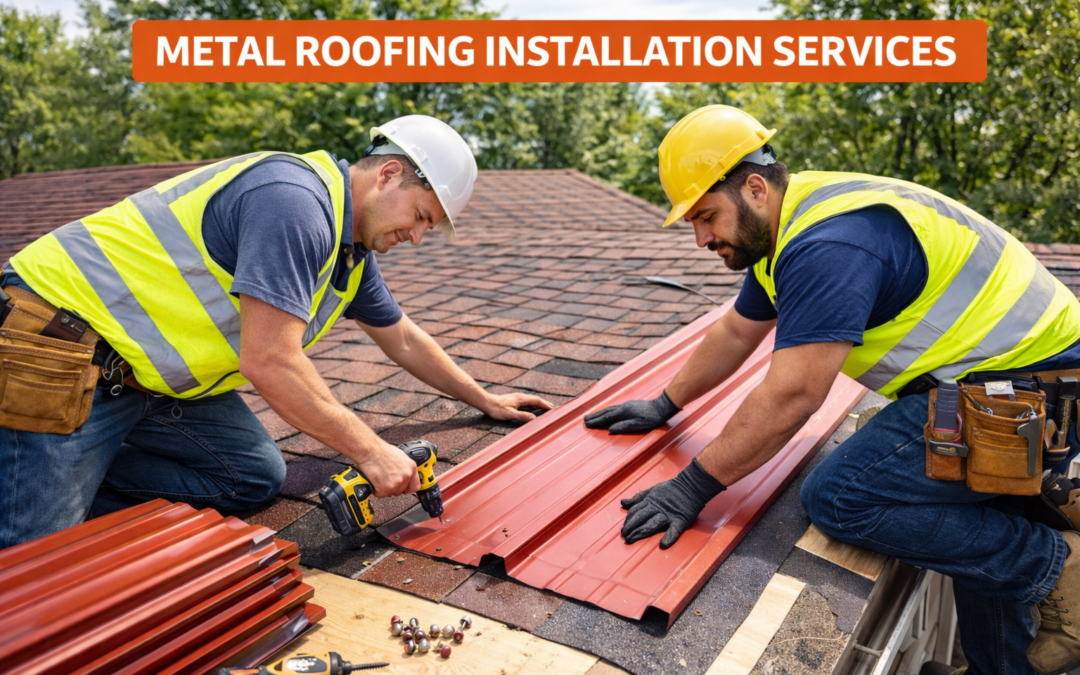
Metal roofing has become one of the fastest-growing roofing solutions for residential, commercial, and industrial properties. Once primarily associated with agricultural or industrial buildings, metal roofing has evolved into a highly refined, durable, and visually appealing option suitable for modern homes and complex commercial structures alike. Today, professional metal roofing installation services offer property owners a long-term roofing solution that delivers exceptional strength, energy efficiency, and design versatility.
This comprehensive guide explores metal roofing installation services in detail. It covers metal roofing types, materials, benefits, installation processes, performance factors, maintenance requirements, and why professional installation is essential for long-term success.
What Is Metal Roofing
Metal roofing refers to roofing systems made from metal panels or tiles designed to protect structures from weather while providing superior durability and longevity. Unlike traditional roofing materials, metal roofs are engineered to withstand extreme conditions while maintaining structural integrity and appearance for decades.
Modern metal roofing systems are used across:
Residential homes
Commercial buildings
Warehouses and industrial facilities
Multi-family housing
Institutional and public structures
Advancements in coatings, fastening systems, and fabrication methods have made metal roofing one of the most reliable roofing solutions available today.
Why Metal Roofing Installation Services Are in High Demand
The increasing demand for metal roofing installation services is driven by several key advantages.
Exceptional Durability
Metal roofs are designed to last significantly longer than traditional roofing materials. With proper installation and maintenance, many metal roofs last 40 to 70 years or more.
Weather Resistance
Metal roofing performs exceptionally well against wind, rain, snow, hail, and temperature extremes. Many systems are rated for high wind speeds and impact resistance.
Energy Efficiency
Metal roofs reflect solar heat rather than absorbing it, helping regulate indoor temperatures and reduce cooling costs during warmer months.
Low Maintenance
Compared to other roofing systems, metal roofs require minimal maintenance and resist common issues such as rot, insect damage, and cracking.
Modern Aesthetic Appeal
Available in a wide variety of styles, finishes, and colors, metal roofing complements both contemporary and traditional architectural designs.
Types of Metal Roofing Systems
Choosing the right metal roofing system begins with understanding the available options.
Standing Seam Metal Roofing
Standing seam systems feature vertical metal panels with raised seams that interlock and conceal fasteners.
Key Features
Sleek, modern appearance
Superior water resistance
Excellent wind performance
Long service life
Standing seam metal roofing is commonly used on residential homes and commercial buildings where aesthetics and performance are equally important.
Metal Shingle Roofing
Metal shingles replicate the look of traditional roofing materials such as asphalt shingles, slate, or wood shakes.
Key Features
Traditional appearance with metal durability
Interlocking panels for strength
Lightweight compared to natural slate or tile
Metal shingles are ideal for homeowners who want classic curb appeal with enhanced longevity.
Corrugated Metal Roofing
Corrugated metal panels have a wavy or ribbed pattern and are widely used in agricultural and industrial applications.
Key Features
Cost-effective solution
High structural strength
Quick installation
While historically industrial, modern corrugated panels are now also used in residential and architectural designs.
Metal Tile Roofing
Metal tiles mimic clay or concrete tiles while offering significantly reduced weight and increased durability.
Key Features
Elegant, dimensional appearance
Lightweight and durable
Excellent weather resistance
Metal tile systems are often chosen for high-end residential projects.
Common Metal Roofing Materials
Metal roofing performance depends heavily on material selection.
Steel Roofing
Steel is the most widely used metal roofing material and is often coated with zinc or aluminum-zinc alloys for corrosion resistance.
Benefits
Strong and durable
Cost effective
Suitable for a wide range of applications
Aluminum Roofing
Aluminum is lightweight and naturally corrosion resistant, making it ideal for coastal or high-moisture environments.
Benefits
Rust resistant
Lightweight
Excellent longevity
Copper Roofing
Copper is a premium roofing material known for its distinctive appearance and exceptional lifespan.
Benefits
Extremely long-lasting
Develops a natural patina over time
High aesthetic value
Copper roofing is often used for architectural accents and historic buildings.
Zinc Roofing
Zinc roofing offers self-healing properties that allow scratches to repair over time through natural oxidation.
Benefits
Long lifespan
Low maintenance
Sustainable and recyclable
The Metal Roofing Installation Process
Professional metal roofing installation services follow a structured process to ensure performance and longevity.
Initial Assessment and Planning
Installation begins with a detailed roof inspection and assessment, including:
Roof structure evaluation
Slope and drainage analysis
Load capacity review
Material selection consultation
This planning phase ensures the roofing system is properly engineered for the structure.
Roof Preparation
Before installation, the roof deck is prepared to provide a stable foundation.
Preparation may include:
Removing existing roofing materials if required
Repairing or replacing damaged decking
Installing underlayment and moisture barriers
Proper preparation is critical for preventing leaks and ensuring long-term performance.
Panel or Tile Installation
Metal panels or tiles are installed according to manufacturer specifications, ensuring:
Proper alignment and fastening
Correct seam engagement
Secure edge and ridge detailing
Precision during installation directly impacts durability and appearance.
Flashing and Finishing Details
Flashing is installed around penetrations, edges, and transitions to prevent water intrusion. Trim and finishing elements complete the system aesthetically and functionally.
Final Inspection and Quality Control
Professional installers conduct a final inspection to verify:
Secure fastenings
Proper sealing
Ventilation integration
Compliance with local building codes
Why Professional Metal Roofing Installation Matters
Metal roofing systems require specialized expertise. Improper installation can lead to:
Thermal expansion issues
Water intrusion
Panel warping or separation
Voided warranties
Professional contractors understand metal movement, fastening patterns, and climate considerations, ensuring the system performs as designed.
For property owners seeking trusted craftsmanship and long-term reliability, working with experienced professionals in roofing vancouver ensures metal roofing systems are installed to the highest industry standards.
Performance Benefits of Metal RoofingO
Metal roofing installation services provide several long-term performance advantages.
Fire Resistance
Metal roofs are non-combustible and often carry the highest fire-resistance ratings.
Wind and Impact Resistance
Many metal roofing systems are rated for extreme wind speeds and impact from debris or hail.
Moisture Protection
Properly installed metal roofs provide excellent water shedding and leak resistance.
Energy Efficiency and Sustainability
Metal roofing supports energy efficiency goals by reflecting solar radiation and reducing heat absorption. Many systems qualify for energy efficiency certifications and rebates.
Additionally, metal roofs are:
Fully recyclable
Often made from recycled materials
Long-lasting, reducing landfill waste
Maintenance Requirements for Metal Roofing
Metal roofing requires minimal maintenance compared to other systems.
Recommended maintenance includes:
Periodic inspections
Clearing debris from drainage areas
Checking fasteners and sealants
Cleaning surface buildup
Routine care ensures decades of reliable performance.
Metal Roofing for Residential Properties
Homeowners increasingly choose metal roofing for its durability, style options, and low maintenance. Metal roofs enhance curb appeal while providing long-term value.
Metal Roofing for Commercial and Industrial Buildings
Commercial properties benefit from metal roofing due to:
Long service life
Reduced maintenance costs
Structural efficiency
Energy savings
Metal roofing systems are commonly used on warehouses, offices, retail buildings, and manufacturing facilities.
Cost Considerations for Metal Roofing Installation
While metal roofing has a higher initial cost than some materials, its long lifespan and reduced maintenance often result in lower lifetime costs.
Cost factors include:
Material type
Roof complexity
Installation method
Coatings and finishes
A professional assessment provides accurate cost projections.
Common Mistakes to Avoid With Metal Roofing
Avoid these common errors:
Hiring installers without metal roofing experience
Ignoring thermal expansion requirements
Choosing materials unsuitable for the local climate
Skipping proper underlayment and ventilation
Professional installation prevents these issues.
The Future of Metal Roofing
Advancements in metal roofing include:
Improved coatings and finishes
Solar-compatible metal panels
Enhanced fastening systems
Smart roofing integration
These innovations continue to expand metal roofing’s role in modern construction.
Conclusion: Why Metal Roofing Installation Services Are a Smart Investment
Metal roofing installation services provide a powerful combination of durability, efficiency, and modern design. Whether for residential or commercial properties, metal roofing offers long-term protection and value unmatched by many traditional materials.